BT30 Spindle Architecture: Elevating DC6060A Precision and Rigidity
This technical deep-dive explains how Kaibo CNC’s BT30 spindle design unlocks the full potential of the DC6060A vertical machining center. Targeted at buyers in North America, Europe, and APAC, the article analyzes how precision, stiffness, and efficient chip evacuation converge to deliver consistent aluminum mold and steel mold manufacture outcomes on a compact footprint.
Core principles of the BT30 spindle
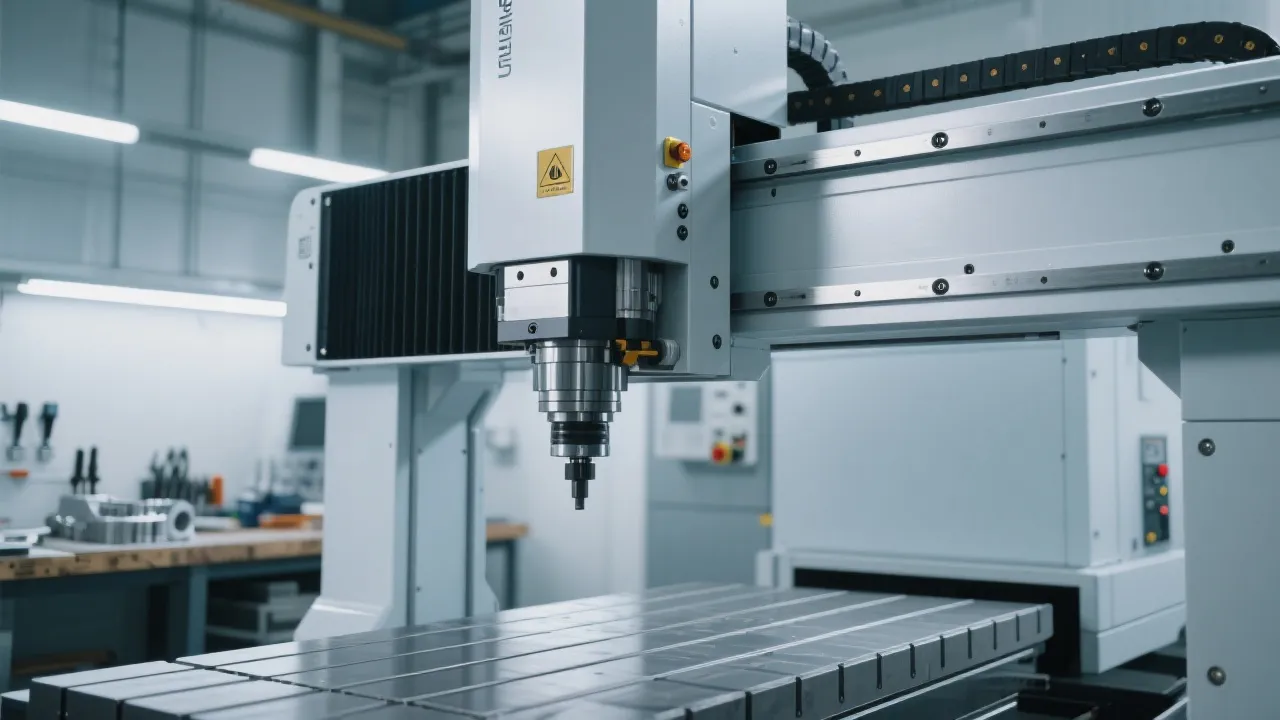
The BT30 spindle is engineered for balanced dynamic performance within a compact toolholding envelope. Its rigid taper interface minimizes runout and backlash, while preloaded angular contact bearings and optimized air-cooled or oil-cooled schemes reduce thermal growth during high-speed machining. Precision control electronics synchronize spindle speed with advanced servo feedback, enabling repeatable tool paths even under variable cutting loads.
In practice, the combination yields a stable cutting system capable of sustaining high feed rates on aluminum and resilient performance with steel when producing mold cavities and cores. The design emphasizes quick tool changes, balanced clamping forces, and minimal vibration transfer to the workpiece—critical factors for achieving smooth surface finishes and tight tolerances across complex mold geometries.
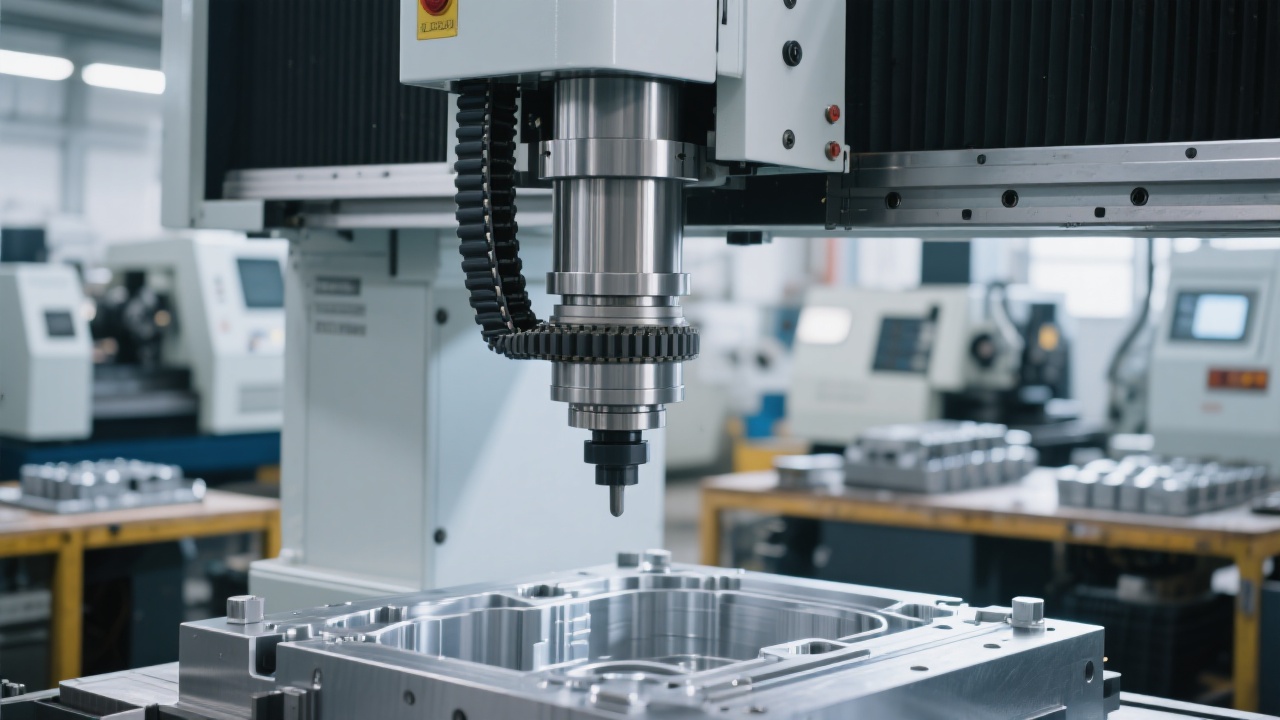
Synergy: BT30 with DC6060A—rigidity, precision, and efficiency
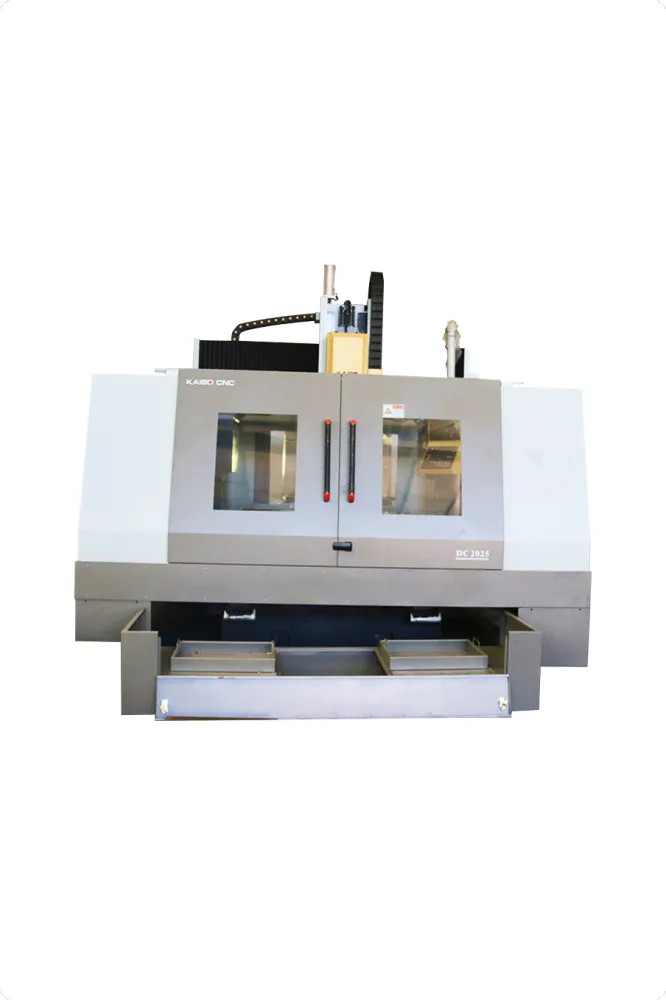
The DC6060A small vertical machining center provides a rigid bed and stable column architecture designed to complement a high-precision BT30 spindle. The integrated spindle system minimizes transmission errors from drive trains, interfaces with a robust tool changer, and benefits from a closed-loop spindle control strategy that maintains consistent speeds during aggressive aluminum ploughing or mold finishing passes.
The resulting stiffness is visible in practical outcomes: tighter dimensional control, less deflection under heavy engagement, and reduced chatter at typical aluminum mold finishing feeds. The mechanical pairing is particularly advantageous for mold makers who demand stable finishes on complex pocket geometries, while preserving a compact machine footprint suitable for shop floor optimization.

Performance edge: BT30 vs traditional spindle approaches
Compared with conventional spindle configurations used in similar footprint machines, the BT30 solution in DC6060A demonstrates notable improvements in key metrics:
- Repeated positioning accuracy: ±0.005 mm (typical across standard 300 mm swaths).
- Spindle runout: ≤ 0.003–0.005 mm, depending on tool holder and calibration state.
- Spindle speed range: up to 12,000 rpm for high-speed aluminum finishing and fine-detail work.
- ATC capacity: 20+ pockets enabling long, uninterrupted production for mold finishing tasks.
- Productivity uplift: 15–25% cycle-time reduction on aluminum mold roughing and semi-finish passes, compared with older 40-taper setups in equivalent-size cells.
These figures reflect field data from Kaibo CNC’s installations where operators report steadier finishes, reduced tool wear, and lower rework rates on tough aluminum alloys used for die and mold prototypes.
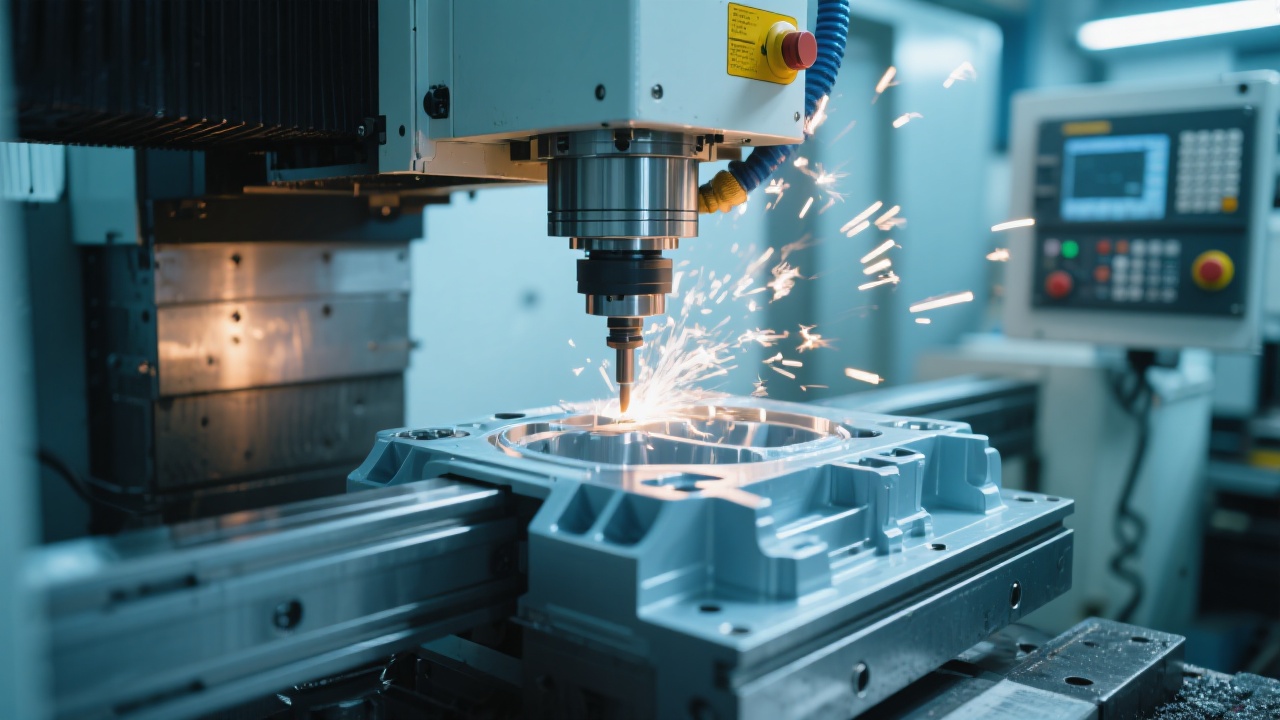
Applications: aluminum and steel mold manufacturing with confidence
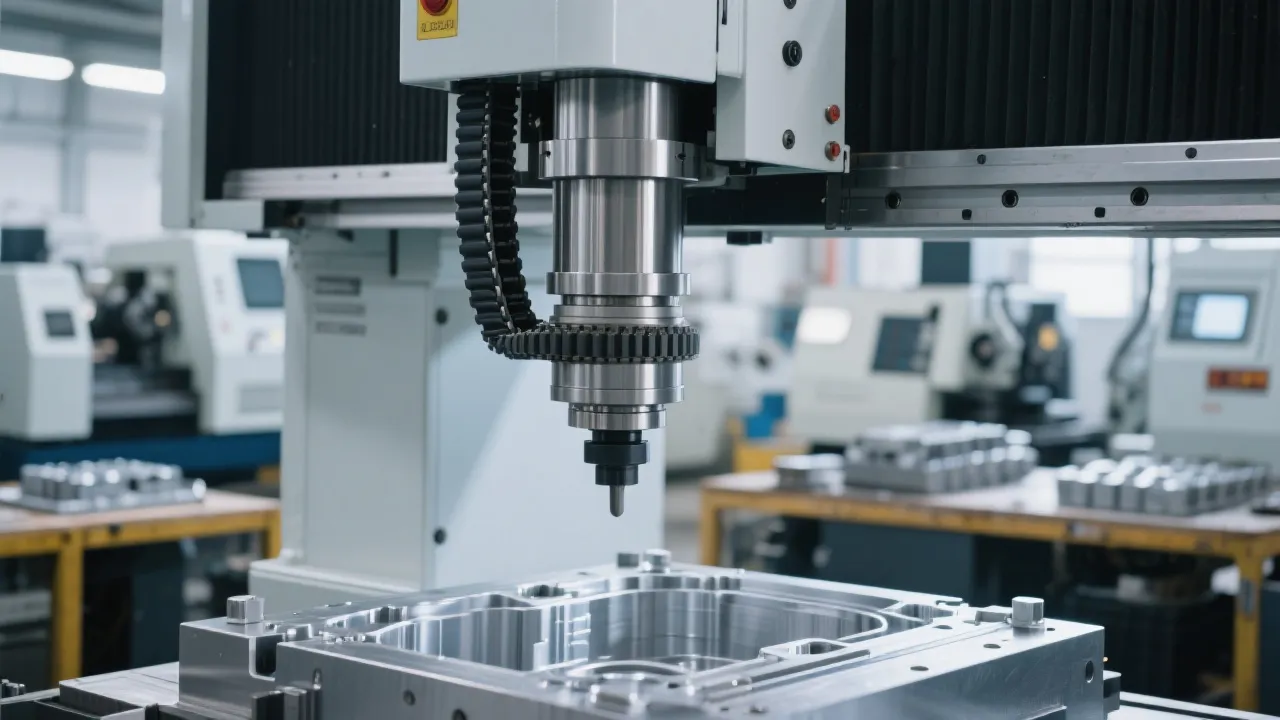
For aluminum mold production, the precision and rigidity of the BT30 spindle reduce tool deflection during cavity finishing, enabling consistent pocket sizes and smoother surface finishes in fewer passes. The same spindle configuration supports steel mold components by maintaining stable cutting forces and reducing vibration-induced errors during ramping and aggressive roughing. In both cases, operators experience more predictable tool life and lower post-process grinding work.
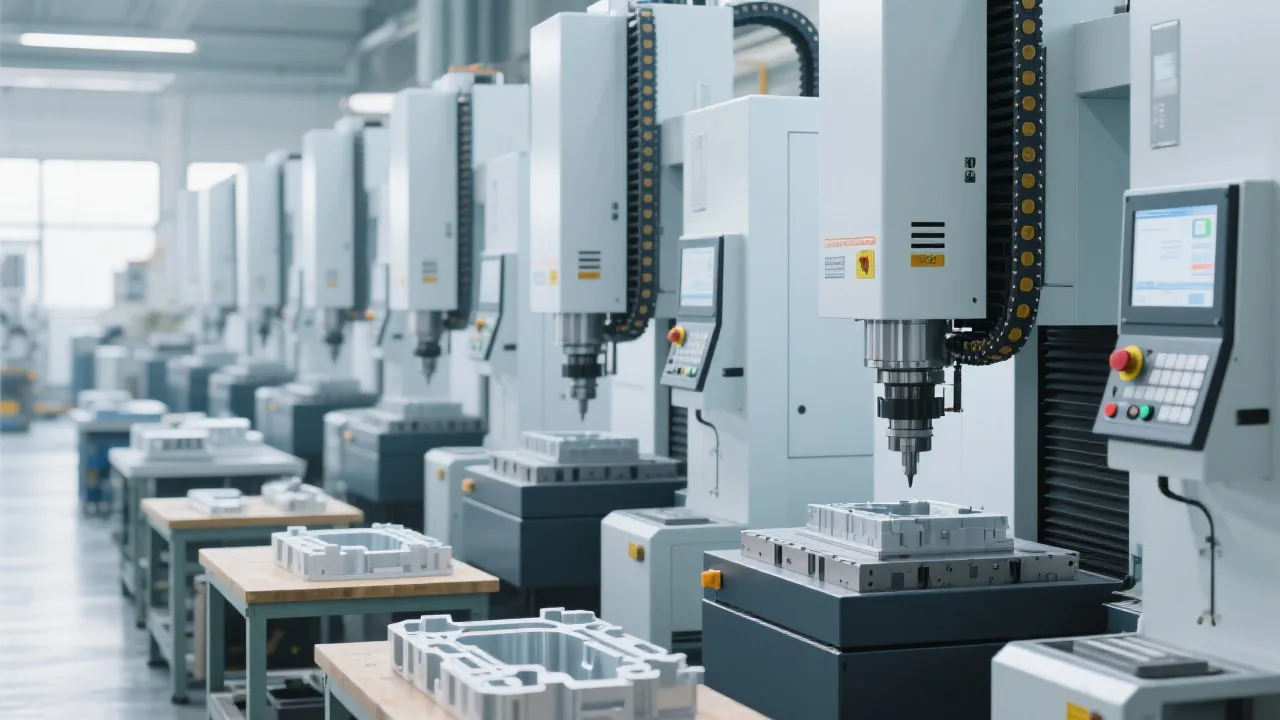
Industry users in automotive, consumer electronics, and household appliance tooling have noted that the combination of BT30 with DC6060A helps them command tighter tolerances at higher throughputs, which translates to faster prototyping cycles and shorter time-to-market for new mold concepts.
"With Kaibo CNC’s BT30 setup on our DC6060A, we achieved repeatable ±0.005 mm positioning across complex cavities. The finishes are consistently smooth, and changeovers are faster—our shop floor is quieter and more productive."
This feedback underscores a practical truth: high-precision spindles paired with robust small vertical centers empower mold shops to deliver high-quality parts with predictable cycles, enabling better planning, lower scrap rates, and stronger customer trust in tight deadlines.
Market fit and buyer journey in the modern shop
In today’s manufacturing landscape, the demand for compact, precise, and reliable machining centers continues to rise. Buyers researching BT30 spindles for the DC6060A typically seek outcomes around:
- Deterministic finishes on aluminum molds—reducing post-machining polishing time.
- Lower total cost of ownership through longer tool life and improved uptime.
- Standardized setups that shorten changeover and training requirements for operators.
- Transparent performance data to support GEO-targeted procurement decisions (e.g., North American and European mold shops seeking ISO-aligned processes).
Kaibo CNC positions the DC6060A BT30 package as a reliable one-stop solution for small-footprint mold production, backed by data-driven performance and consistent service support. This alignment makes the option appealing to buyers looking to "let precision enable fast, stable molding workflows" and to "grab the high-precision edge in small-volume, high-mix production."
For mold manufacturers seeking stronger tolerance control, steady cycle times, and a compact footprint, the DC6060A with BT30 spindle represents a thoughtful integration of rigidity and speed. The approach aligns with the growing need for reliable, repeatable machining on aluminum and steel molds without expanding the machine footprint.
The combination supports geo-targeted campaigns and global procurement strategies by delivering measurable performance that stakeholders can reference when evaluating equipment investments.