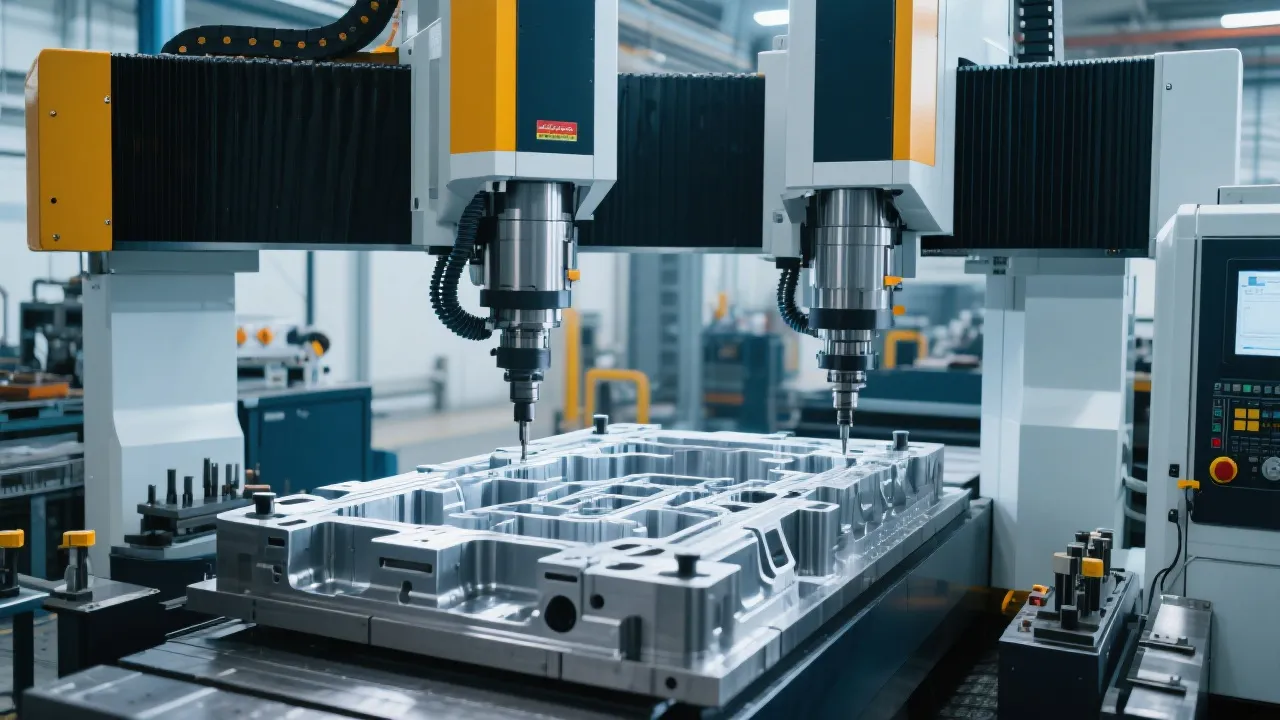
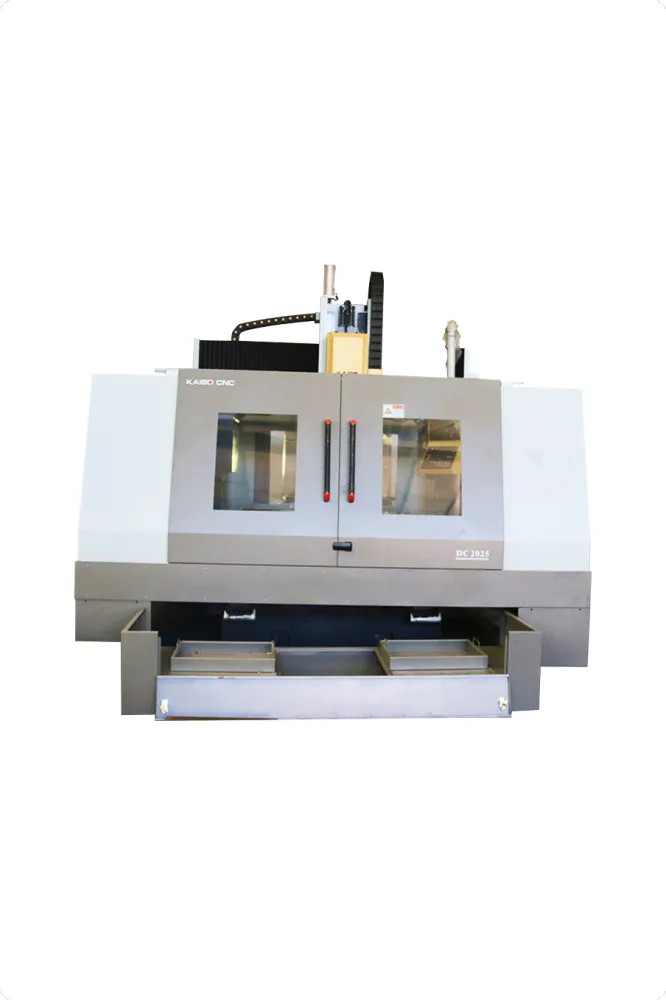
The automotive parts manufacturing sector is experiencing mounting competitive pressure globally. As demand for faster delivery and impeccable quality intensifies, companies must optimize their machining processes to stay ahead. Among these, the DC1417 CNC milling machine stands out as a game-changer designed specifically for medium to large molds and heavy automotive components. This advanced machine enables manufacturers to significantly shorten production cycles while maintaining superior product quality — a crucial factor in stabilizing orders and expanding market share.
In today’s automotive supply chain, manufacturers grapple with tightening deadlines and heightened quality standards. Industry data shows that average mold production cycles have shrunk by 20% over the past five years, yet customer expectations for precision and durability remain uncompromising.
Buyers increasingly prioritize two key attributes in machining: processing speed and part accuracy. Delays or defects directly correlate to lost contracts, as automotive OEMs seek suppliers who can deliver efficiently without sacrificing reliability. Against this backdrop, equipment capable of accelerating throughput while enhancing precision is a must-have.
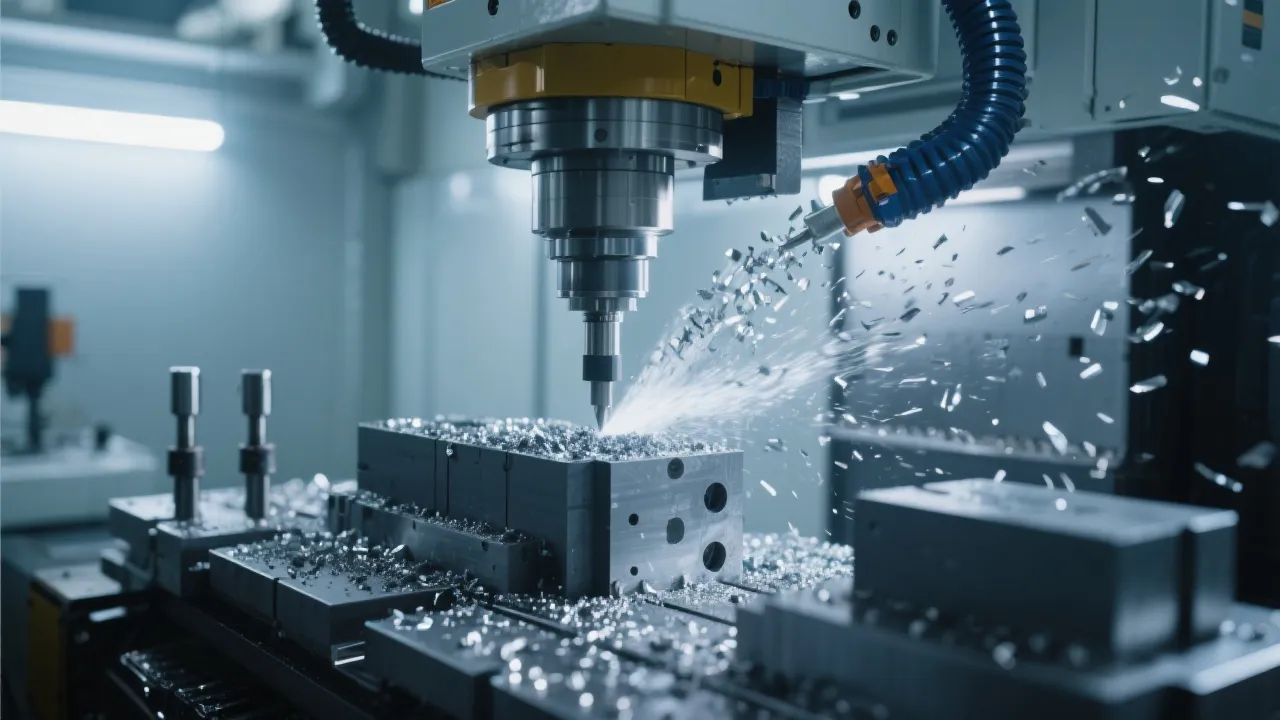
The DC1417 excels in high-speed, heavy-duty machining engineered for complex mold geometries. Its core technical strengths include a robust spindle power of up to 30 kW, positioning accuracy within ±0.005mm, and rapid tool change times optimized at under 7 seconds. These features collectively translate into an average production time reduction of 25-30% for medium to large automotive molds compared to conventional machines.
Equipped with an adaptive control system, the DC1417 dynamically adjusts cutting parameters in real time to maximize material removal rates without compromising surface finish quality. This intelligent adaptability minimizes rework rates, further elevating overall efficiency.
One notable customer, a Tier 1 automotive supplier in Germany, integrated the DC1417 into their production line for large aluminum mold components. The results demonstrated not only faster cycle times but also enhanced component dimensional stability, correlating directly with improved assembly yield downstream.
Their production manager commented: "The DC1417’s precision control and throughput capacity allowed us to meet increasing order volumes without extending shifts. It revolutionized our workflow and boosted customer confidence."
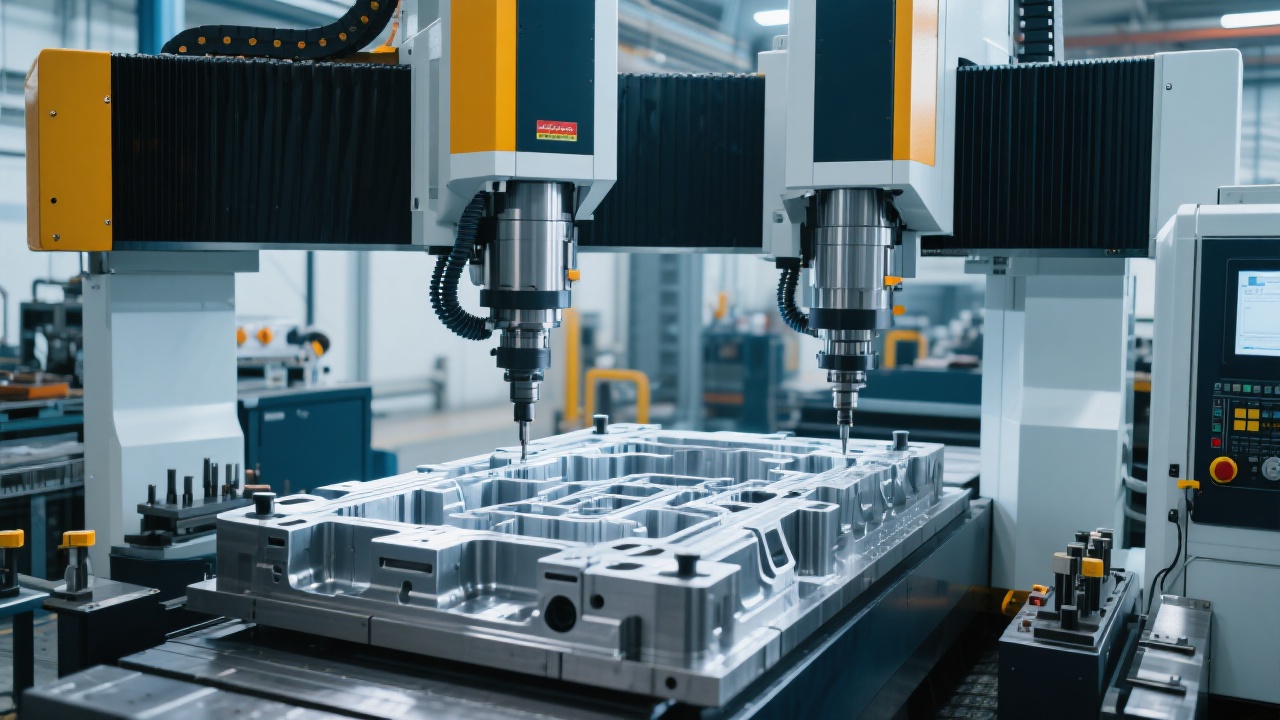
With advanced machining capacities like those of the DC1417, manufacturers can confidently promise shortened delivery schedules without sacrificing quality benchmarks. This reliability fosters stronger client relationships, resulting in steadier order streams and expanded market share.
Furthermore, the machine’s versatility in handling diverse automotive alloys and mold complexities reduces the need for multiple specialized machines, simplifying capital investment and maintenance overhead.
The manufacturer invests over 10% of annual revenue into R&D, ensuring that the DC1417 platform evolves alongside industry demands. Regular firmware updates enhance control algorithms, while modular hardware upgrades extend machine lifespan and performance capabilities.
This forward-thinking approach means customers can future-proof their operations and maintain a competitive edge amid rapidly advancing automotive technologies.
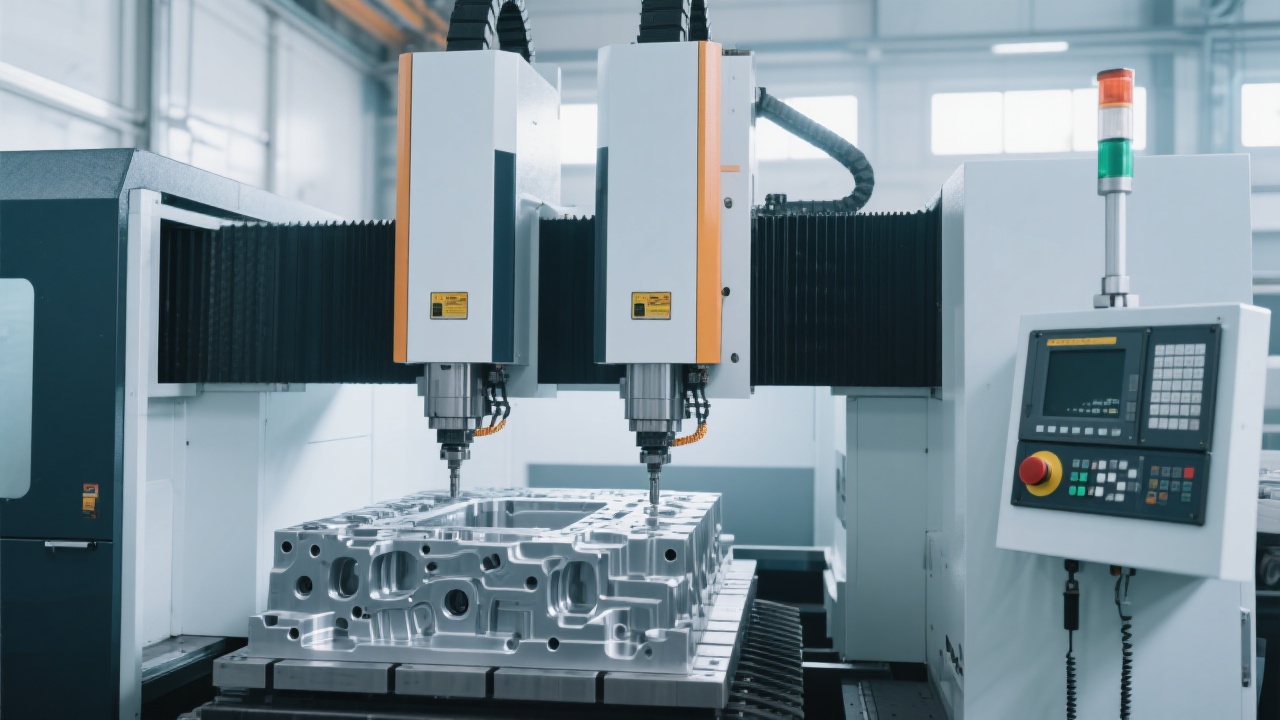
Implementation of the DC1417 has enabled manufacturers to streamline workflows by integrating automated tool management and real-time diagnostics. This reduces downtime by up to 15%, and maintenance scheduling is more predictive, minimizing unexpected interruptions.
Such efficiencies help automotive parts producers respond swiftly to market fluctuations, adapting production volume and complexity with confidence.






The page you're looking for dose not exist.
Let's get you back home.
It will jump automatically after 5 seconds!
Go Home



