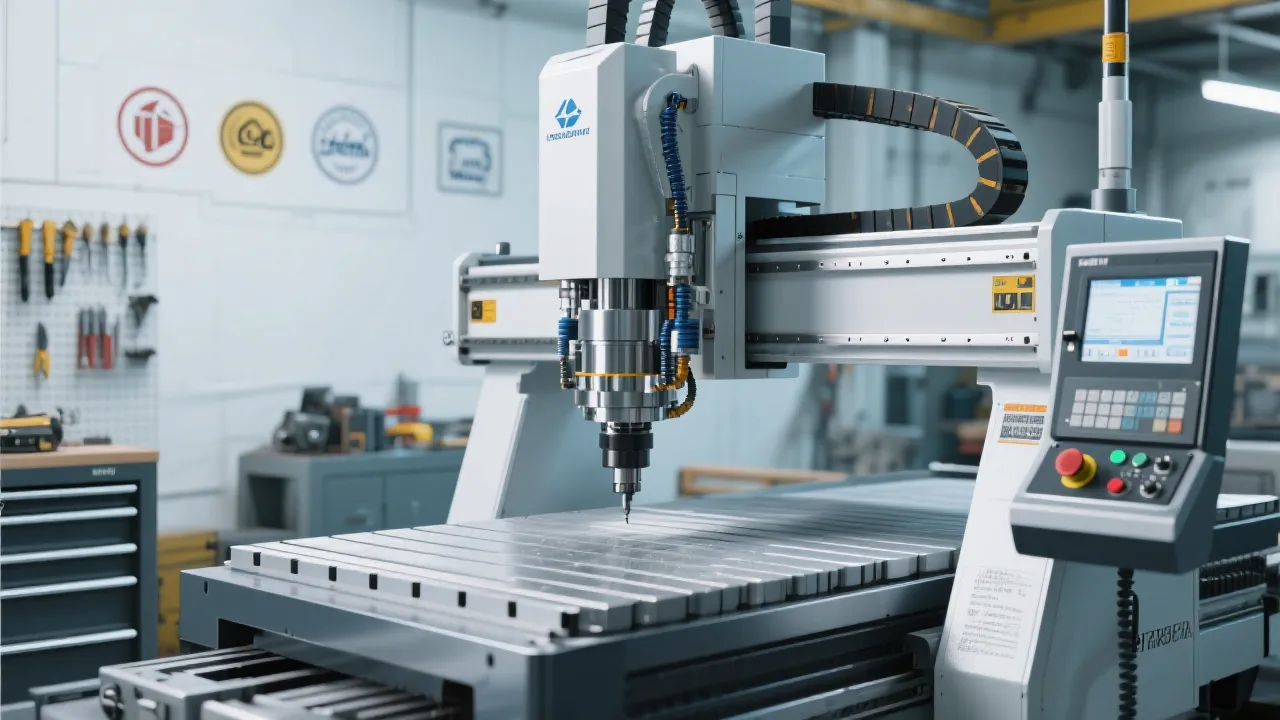
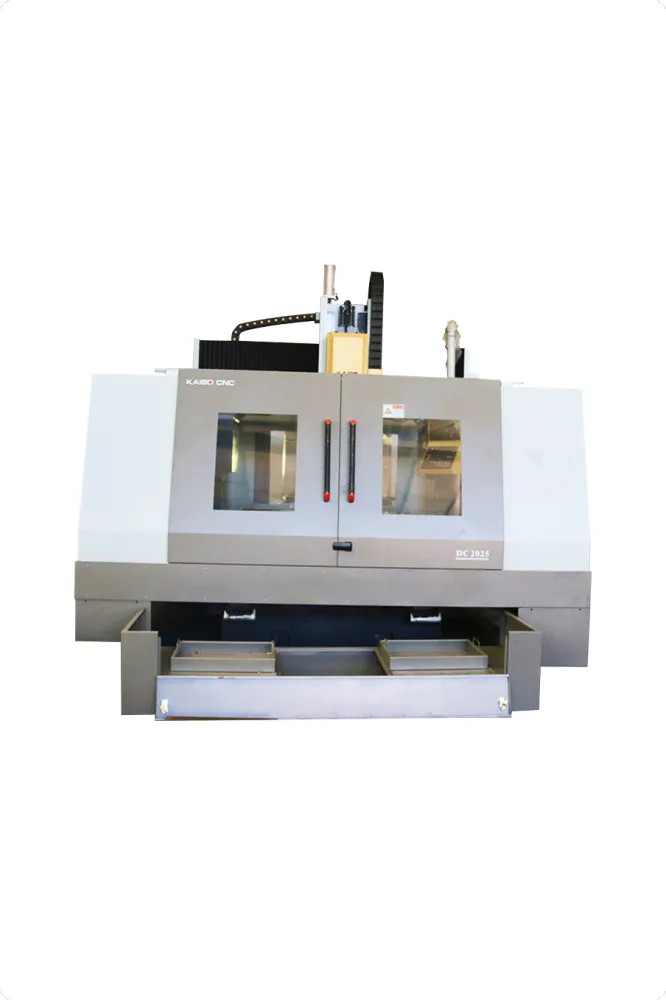
In precision aluminum mold manufacturing, quality is rarely lost in one dramatic moment—it drifts away through micron-level errors: chatter marks that need polishing, subtle dimensional offsets after long runs, or inconsistent surface finish between cavities. The DC6040D aluminum CNC engraving & milling machine was engineered to reduce those “silent losses” by combining a compact gantry design, high rigidity, and repeatable accuracy suited for fine aluminum machining.
This application-focused guide explains how DC6040D improves machining precision in real production conditions, what parameters matter most for aluminum molds, and what decision-makers should verify before purchasing.
Aluminum is often chosen for molds and tooling because it machines quickly and transfers heat efficiently—ideal for prototyping, short runs, and high-mix production. But aluminum also exposes weak machine dynamics. When spindle load changes during pocketing, or when a small tool enters a corner radius, a machine with insufficient rigidity can produce:
The DC6040D is designed around the manufacturing reality that precision is not only a specification; it is the result of stiffness, motion control quality, and thermal/structural stability working together.
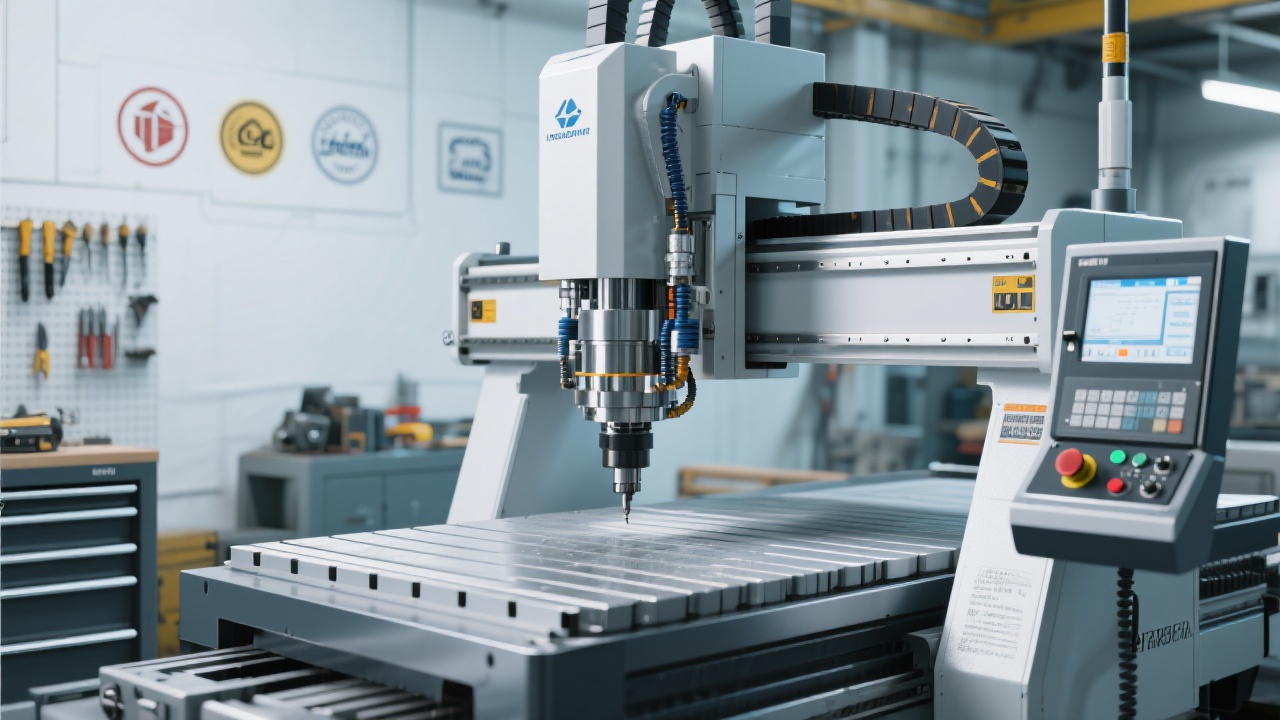
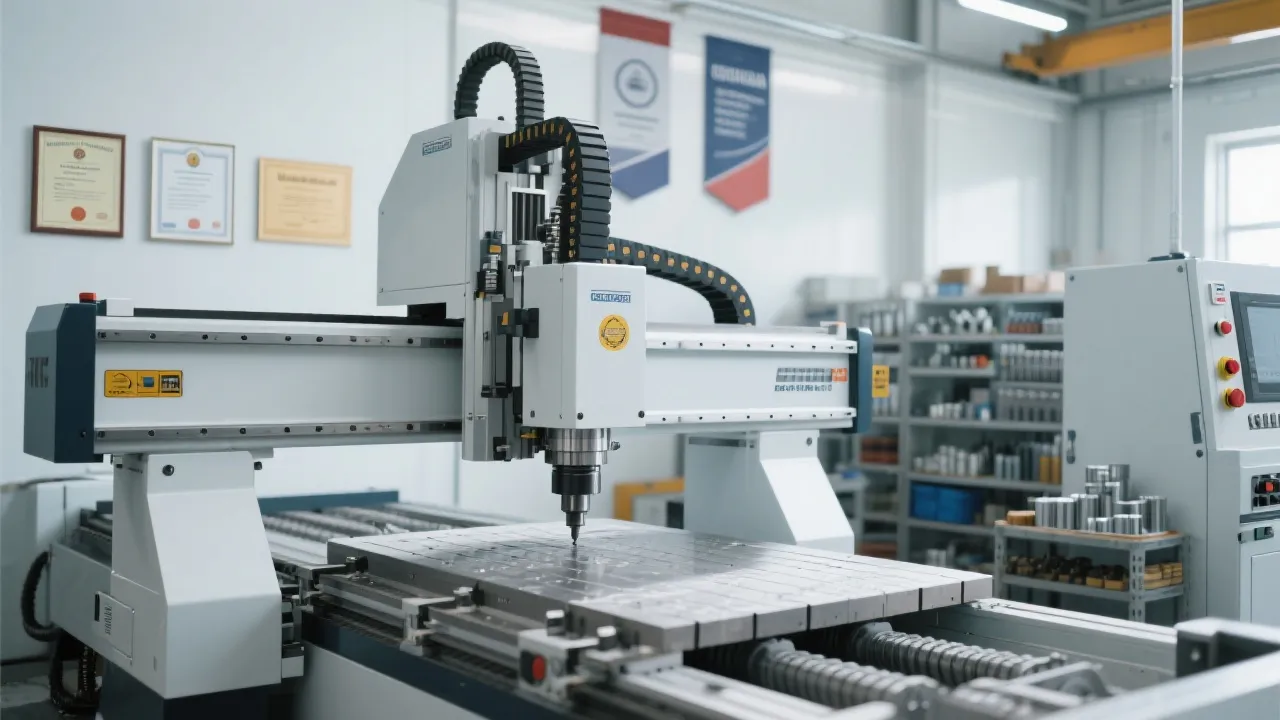
A compact gantry architecture helps keep the cutting forces “close” to the supporting structure. In practical terms, this reduces elastic deformation that shows up as taper walls, uneven depths, and inconsistent cavity-to-cavity results. For aluminum mold finishing, where step-over may be small and the tool is sensitive, structural stiffness directly translates into less rework.
When rigidity is improved, the machine resists chatter and maintains a more consistent tool engagement. Many mold shops report that with a stable machine platform, finishing tools (especially small end mills) show fewer sudden chipping events, and the surface quality becomes more uniform across complex contours.
For workshops handling prototypes and quick-turn molds, floor space matters. The DC6040D’s compact footprint supports lean cell layouts while still targeting precision machining behavior typically expected from heavier platforms—especially valuable for teams scaling output without expanding the facility.
Decision-stage buyers often compare machines using “headline” travel sizes and spindle speed, but precision aluminum mold work depends more on motion repeatability, rigidity, and control stability. Below are commonly requested reference specs for DC6040D configurations (final specs may vary by build options).
| Item | Reference Specification | Why it matters for aluminum molds |
|---|---|---|
| Working area (X×Y×Z) | 600 × 400 × 200 mm | Fits many prototype molds, inserts, fixtures, and small-to-mid cavities |
| Positioning accuracy | ±0.01 mm | Helps achieve tight dimensional control with reduced correction cuts |
| Repeatability | ±0.005 mm | Critical for multi-cavity consistency and batch stability |
| Spindle speed | Up to 24,000 rpm (HSK/ER options vary) | Supports small tools and fine finishes with proper chip evacuation |
| Feed rate (max) | 10–15 m/min (config dependent) | Improves cycle time while maintaining stable motion in contouring |
| Drive system | Servo motors + precision ball screws | Better low-speed smoothness for finishing paths and small radii |
| Controller compatibility | Common industrial CNC controllers (option-based) | Enables stable interpolation and consistent execution of CAM toolpaths |
Buyers at the decision stage often ask a practical question: “Will it hold tolerance on my parts, day after day?” The answer depends on setup discipline. Below is a proven setup logic used by many mold shops to turn machine accuracy into part accuracy.
For aluminum molds, finishing quality often depends on tool engagement consistency. Consider a roughing strategy with constant tool load, followed by semi-finishing that leaves a uniform allowance (for example, 0.10–0.20 mm), and then a finishing pass with small step-over (3–8% of tool diameter) depending on required Ra.
The following ranges are commonly used starting points for 6061/7075 aluminum with carbide tooling, adjusted by tool brand, flute count, coolant/mist, and part rigidity:
Note: target surface finish for many aluminum mold surfaces is often Ra 0.8–1.6 μm after finishing, depending on the application and post-process requirements.
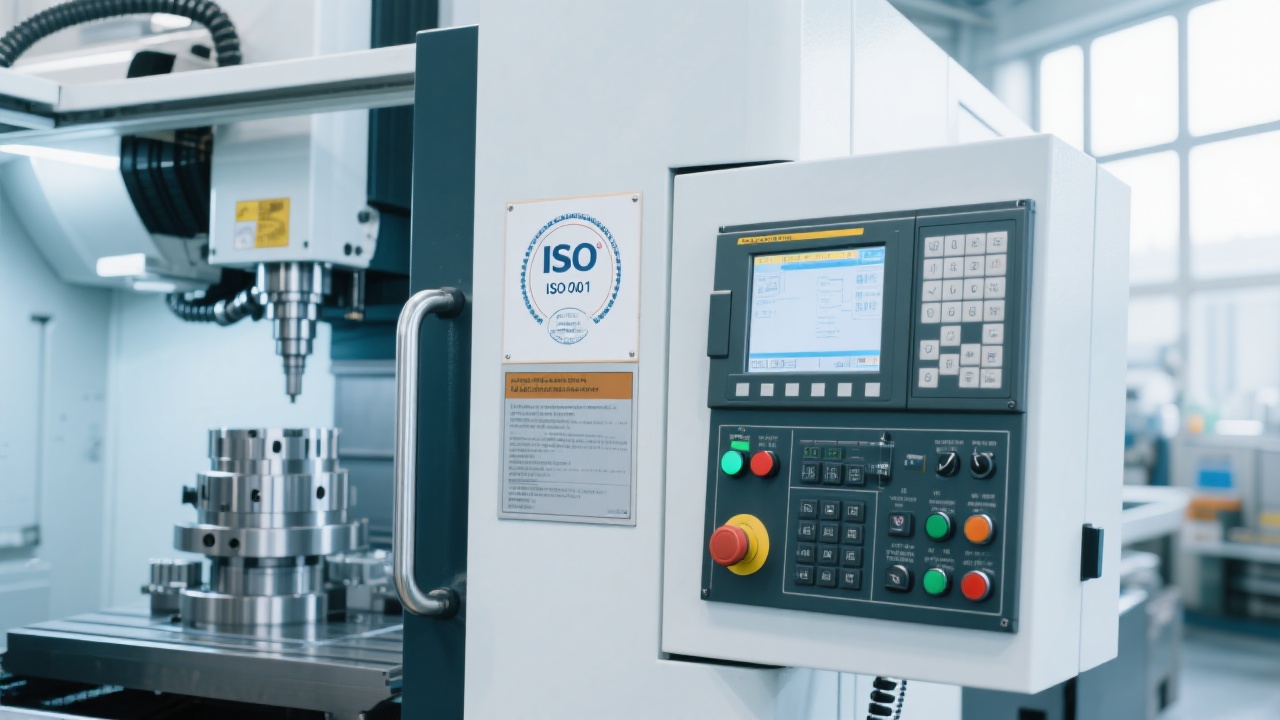
A consumer electronics tooling supplier in Southeast Asia evaluated DC6040D for aluminum mold inserts and fixture plates. Their key requirement was to reduce manual benchwork while keeping cycle times competitive.
After standardizing setup and finishing strategy, the shop reported measurable gains on typical insert jobs:
Many buyers compare several machines with similar travel sizes. The difference often appears after 2–3 months of production, when repeat orders demand consistency and operators rotate between shifts. Below is a practical comparison lens used in procurement.
| Decision factor | Typical small CNC (market average) | DC6040D value in precision aluminum molds |
|---|---|---|
| Structural stability | Adequate for general cutting; may show chatter on fine finishing | Compact gantry approach emphasizes rigidity for predictable finishing quality |
| Repeatable accuracy | Varies with temperature, workload, and operator setup | Designed for repeatability-focused production routines in inserts and plates |
| Finishing performance | May require extra benchwork to meet aesthetic mold surfaces | Stable motion + high-speed spindle supports finer surface outcomes |
| Footprint & deployment | Similar sizes; layout flexibility depends on peripherals | Compact cell-friendly setup for prototyping and quick-turn mold work |
| Operator learning curve | Depends heavily on controller and standard work availability | Well-suited to standardized procedures (probing, tool setting, repeat jobs) |
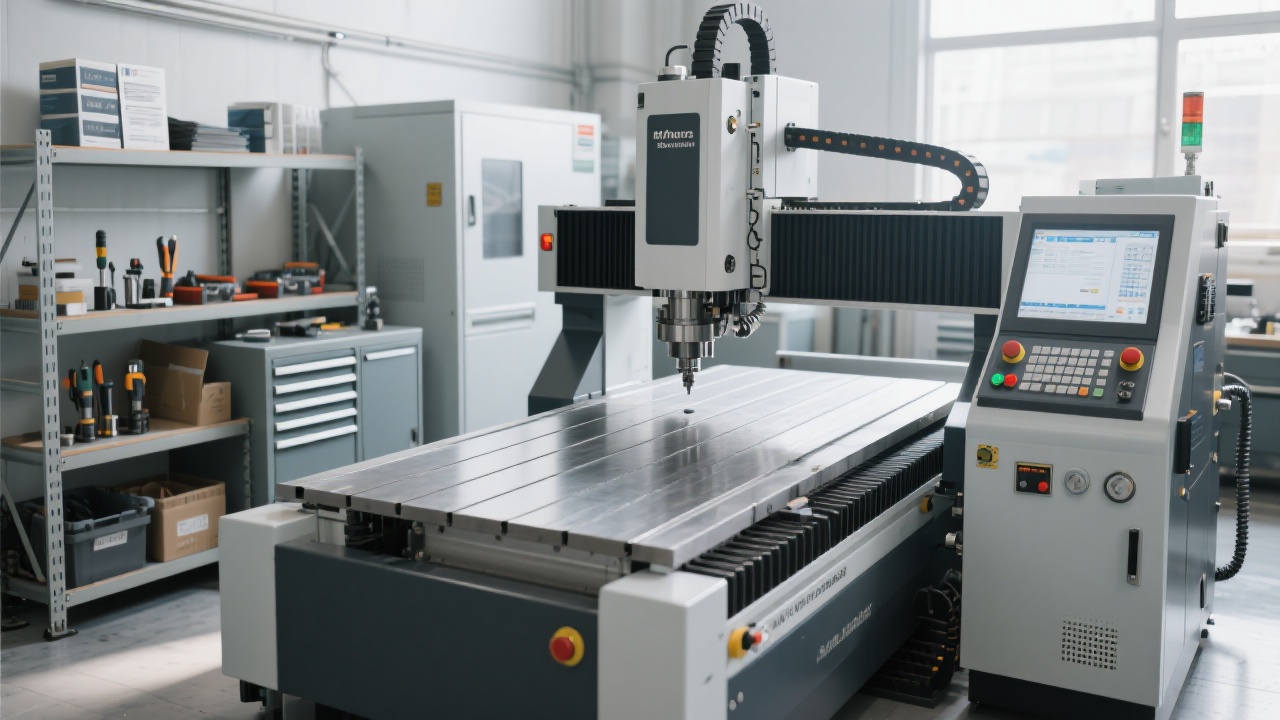
For procurement teams, the fastest way to reduce purchase risk is to verify the machine against your actual mold features—thin ribs, fine text, corner radii, and critical datum relationships. When evaluating DC6040D, buyers commonly confirm:
For teams that need quick stakeholder alignment, a short operation video helps validate motion smoothness, cutting stability, and overall workflow.
Watch the DC6040D CNC engraving & milling machine operation video
Precision aluminum mold manufacturing rewards the manufacturers who can keep quality stable while shortening lead time. The DC6040D’s compact gantry structure, repeatability-focused design, and high-speed finishing capability make it a strong fit for mold inserts, small cavities, fixture plates, and fine aluminum parts that cannot afford “almost good.”
Send your drawing or sample requirements to get a configuration recommendation, process suggestions, and a benchmark cutting proposal tailored to your mold features.
Get the DC6040D Aluminum CNC Engraving & Milling Machine RecommendationTypical response time: within 12–24 business hours. Please include material (6061/7075), target tolerance, and part size.
Contact details: Email ([email protected]) | WhatsApp (+00 000 000 000) | RFQ (Company contact form). Replace with your official channels before publishing.






The page you're looking for dose not exist.
Let's get you back home.
It will jump automatically after 5 seconds!
Go Home



