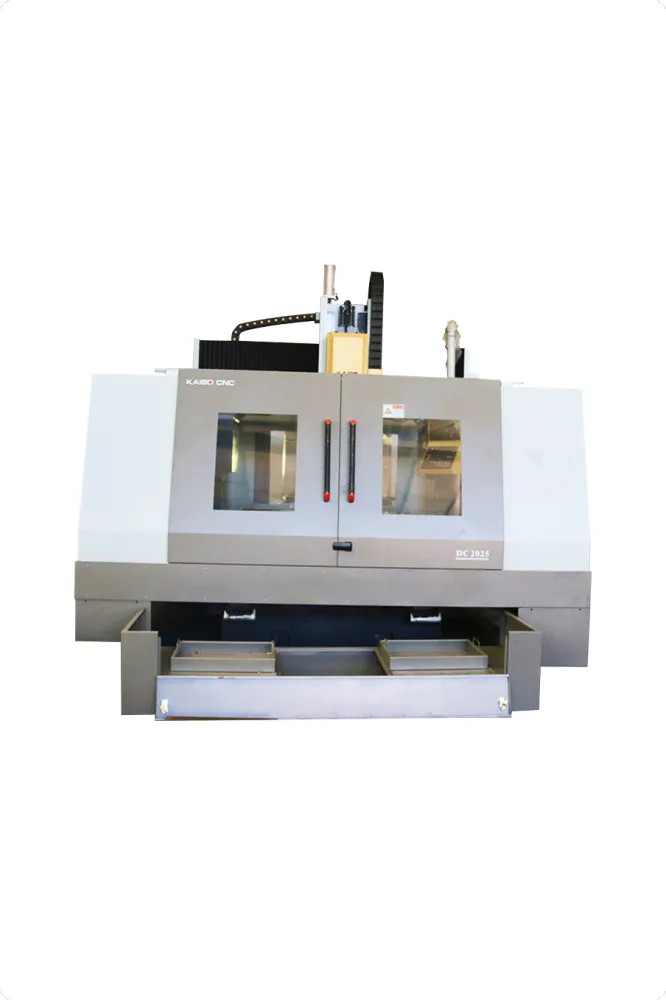
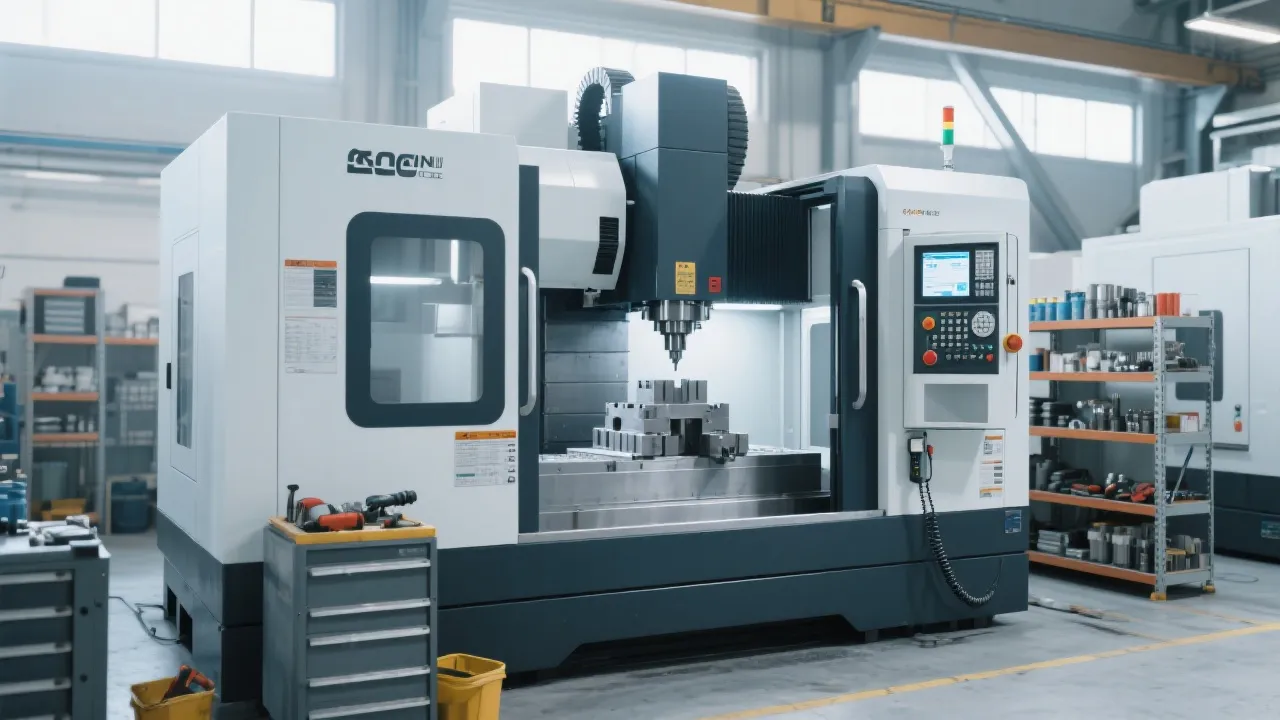
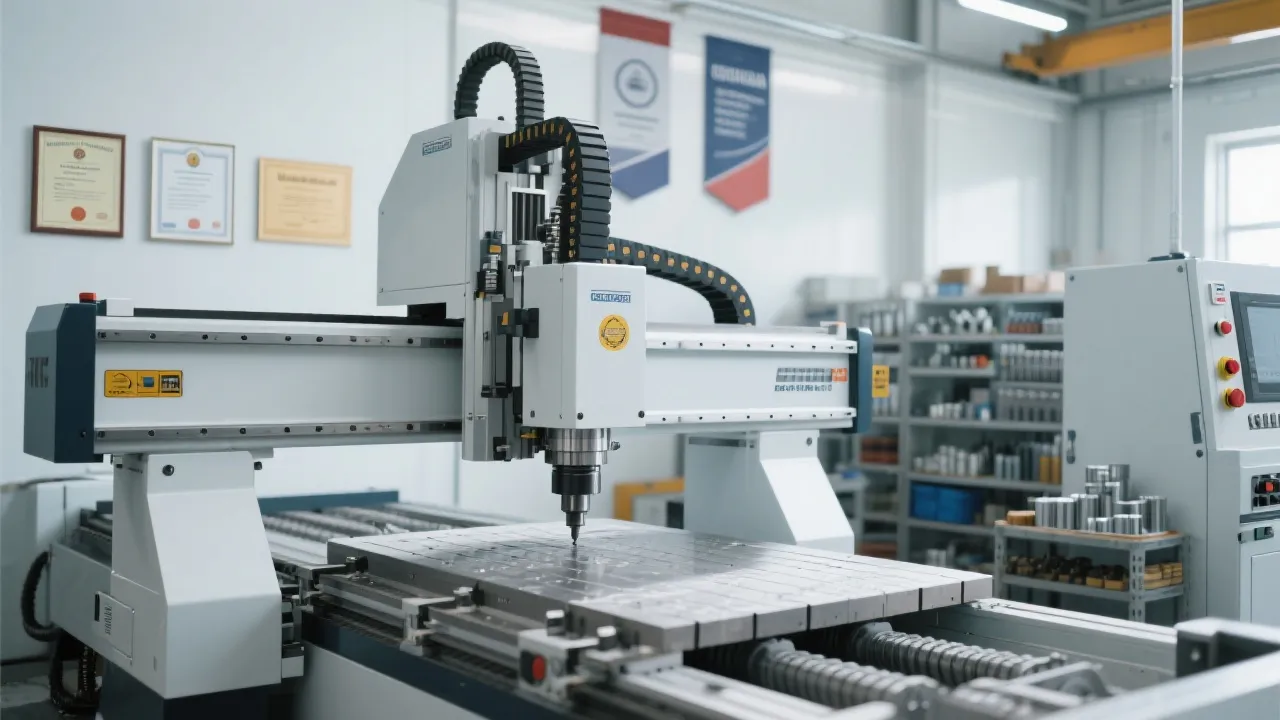
In today's competitive manufacturing landscape, precision and efficiency define success. This case study explores how the DC6050A copper electrode CNC engraving milling machine transformed operations at a precision mold manufacturing facility. The result? A significant reduction in defect rates, enhanced processing accuracy, and accelerated production cycles — elevating overall operational profitability.
Before adopting the DC6050A, the manufacturer struggled with a defect rate hovering around 8%-10% in producing copper and aluminum molds. Traditional milling equipment, with its limited repeat positioning accuracy and longer cycle times, impeded meeting tight delivery schedules and quality standards. Maintenance costs also escalated due to frequent part replacement caused by wear and misalignment.
The primary pain points included:
The DC6050A’s specifications address these challenges head-on:
As one plant manager noted, "With the DC6050A, every engraving is precision-executed — it's not just replacing a machine, but stepping into intelligent manufacturing."
Post-installation performance data over a six-month monitoring period demonstrates:
| Metric | Before DC6050A | After DC6050A | Improvement |
|---|---|---|---|
| Defect Rate | 9.2% | 4.3% | -53% |
| Cycle Time per Unit | 50 minutes | 35 minutes | -30% |
| Maintenance Downtime | 20 hours/month | 12 hours/month | -40% |
Beyond raw data lies the machine's practical impact on workflow and operator experience:
These factors contribute to a holistic efficiency uplift, translating to measurable cost savings and enhanced production reliability.
The DC6050A excels not only in copper electrode manufacture but also proves ideal for:
Its ability to maintain tight tolerance with speed and stability positions it as the go-to milling machine for engineers aiming to upgrade from conventional equipment toward intelligent manufacturing.
An evaluation model combining quality improvement with efficiency gains illustrates the DC6050A’s ROI:
Quality Improvement (50% defect reduction) + Efficiency Optimization (30% cycle reduction) = 40% potential increase in overall production value.
This composite figure demonstrates why investment in the DC6050A aligns with broader digital transformation and smart factory initiatives.







 <#else>

The page you're looking for dose not exist.
Let's get you back home.
It will jump automatically after 5 seconds!
Go Home



