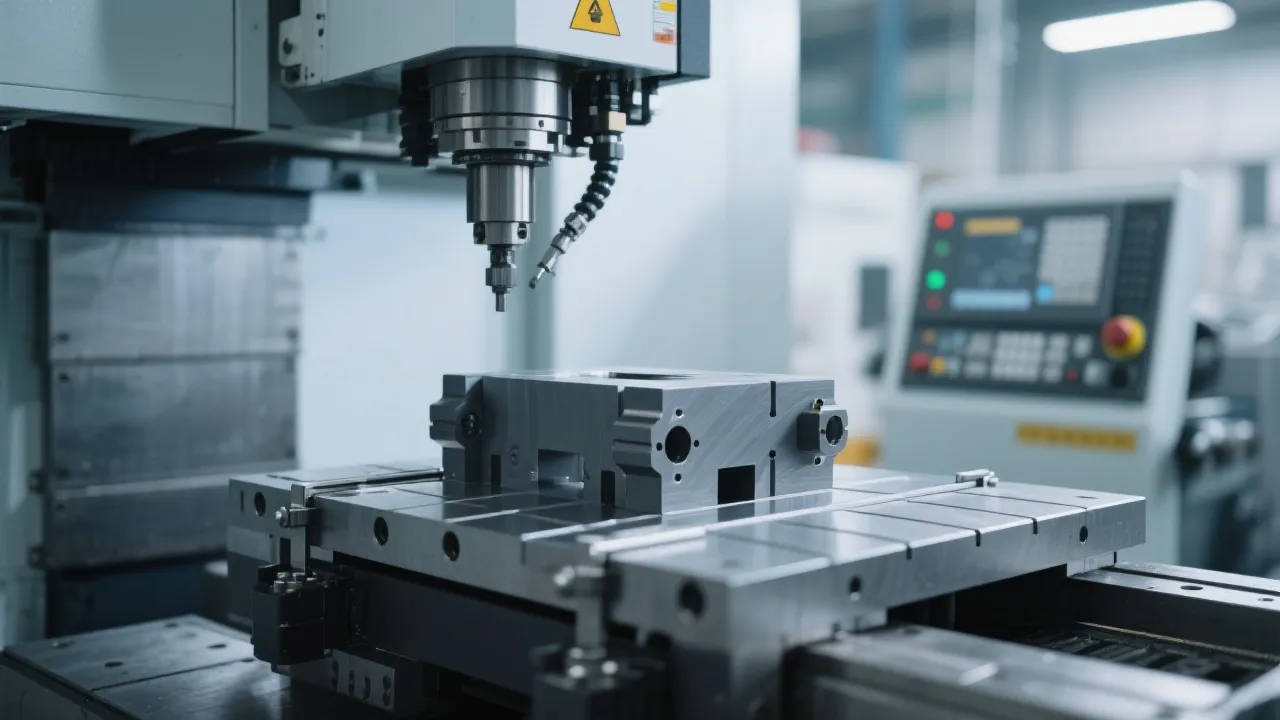
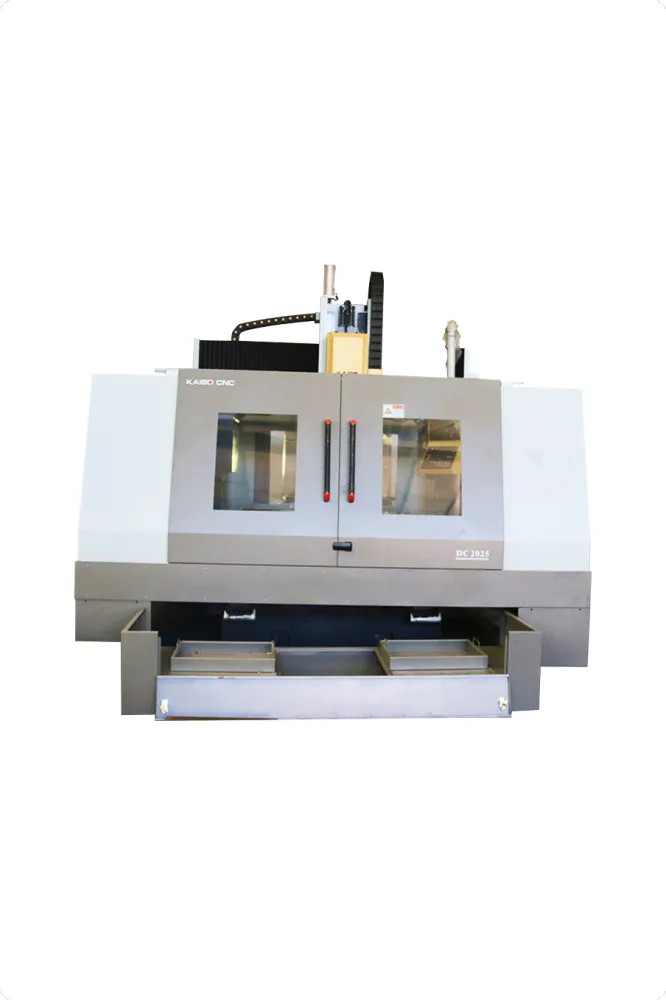
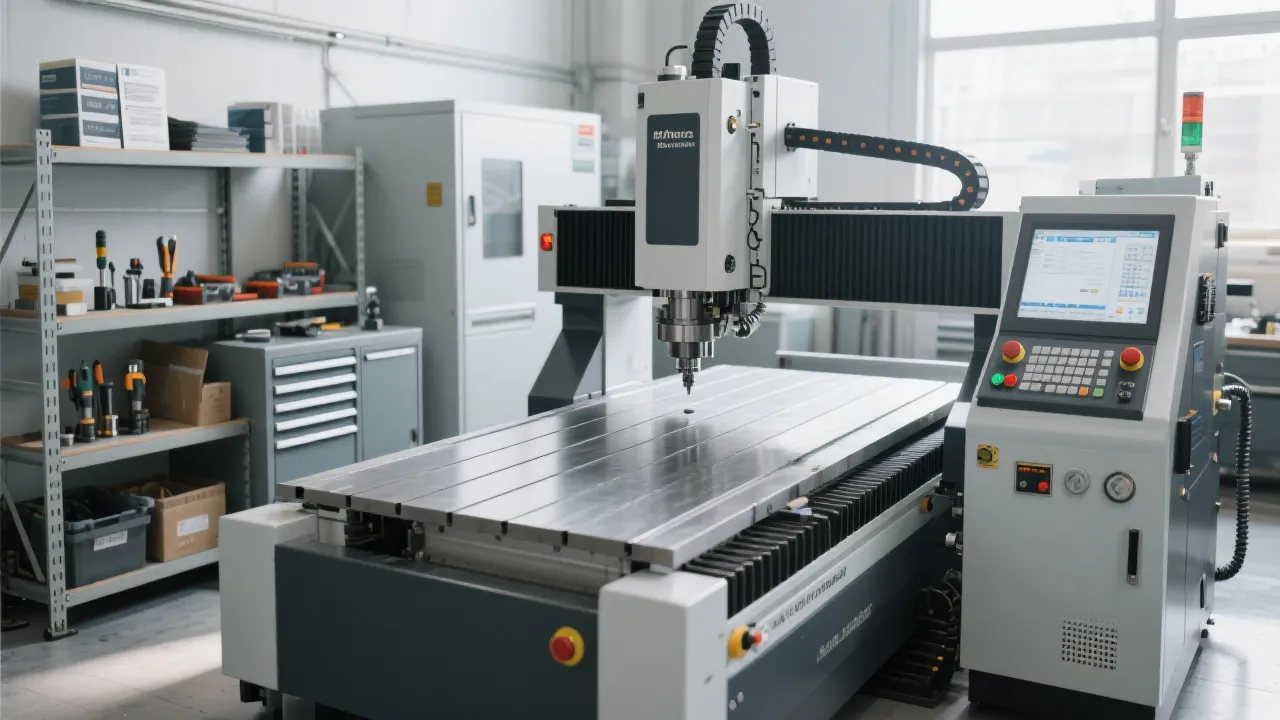
Kaibo CNC, under the brand name 凯博数控, introduces the DC8070A—a high-rigidity four-axis CNC milling center equipped with an automatic tool changer (ATC) and a robust double-column frame. Engineered for industries demanding tight tolerances and stable production, the DC8070A targets automotive, aerospace, mold & die, and precision component manufacturing. By combining a fortified structural design with advanced control of dynamic loads, this milling center aims to deliver consistent accuracy, longer tool life, and lower maintenance costs over its service life.
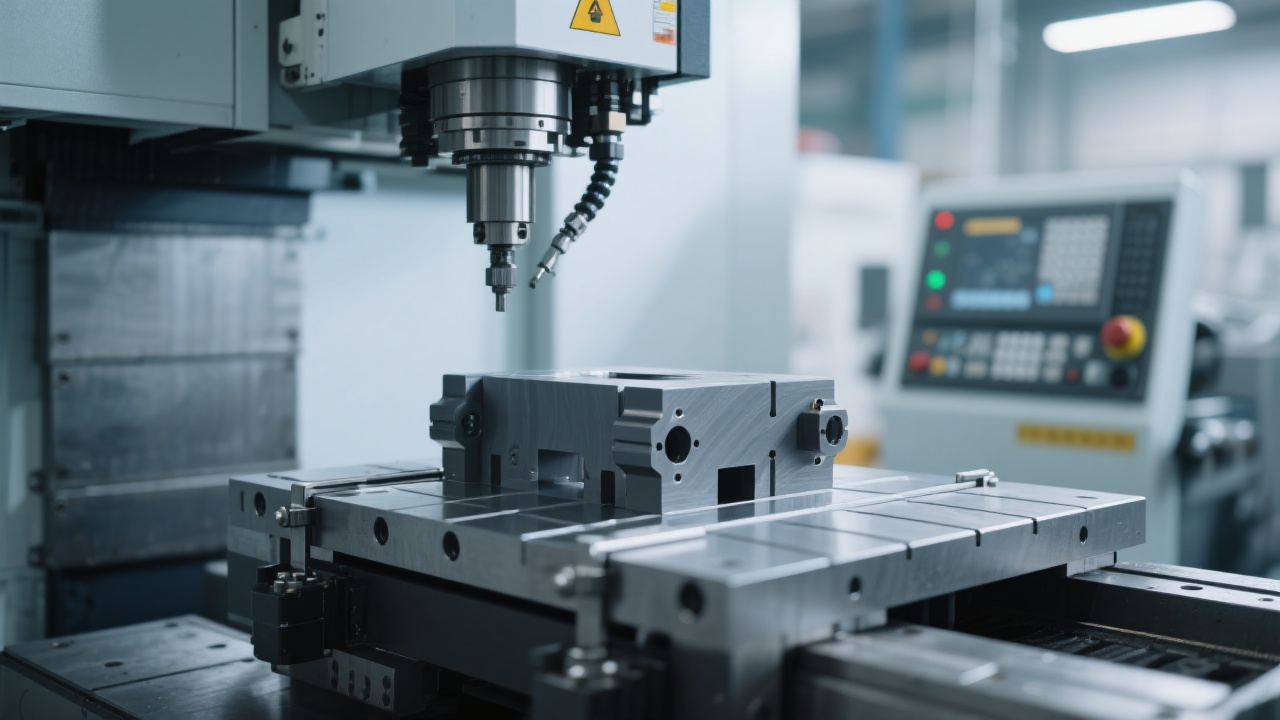
In high-speed milling, excessive flex or vibration translates into deflection, chatter, and altered cutting paths. Even small deviations can accumulate across multiple passes, causing increased scrap, wear on cutting tools, and degraded surface finish. Industry benchmarks consistently show that improving the machine frame stiffness and structural damping can:
The DC8070A embodies these advantages through its strategic structural choices and material selections, driving a measurable impact on production stability and finished-part quality.
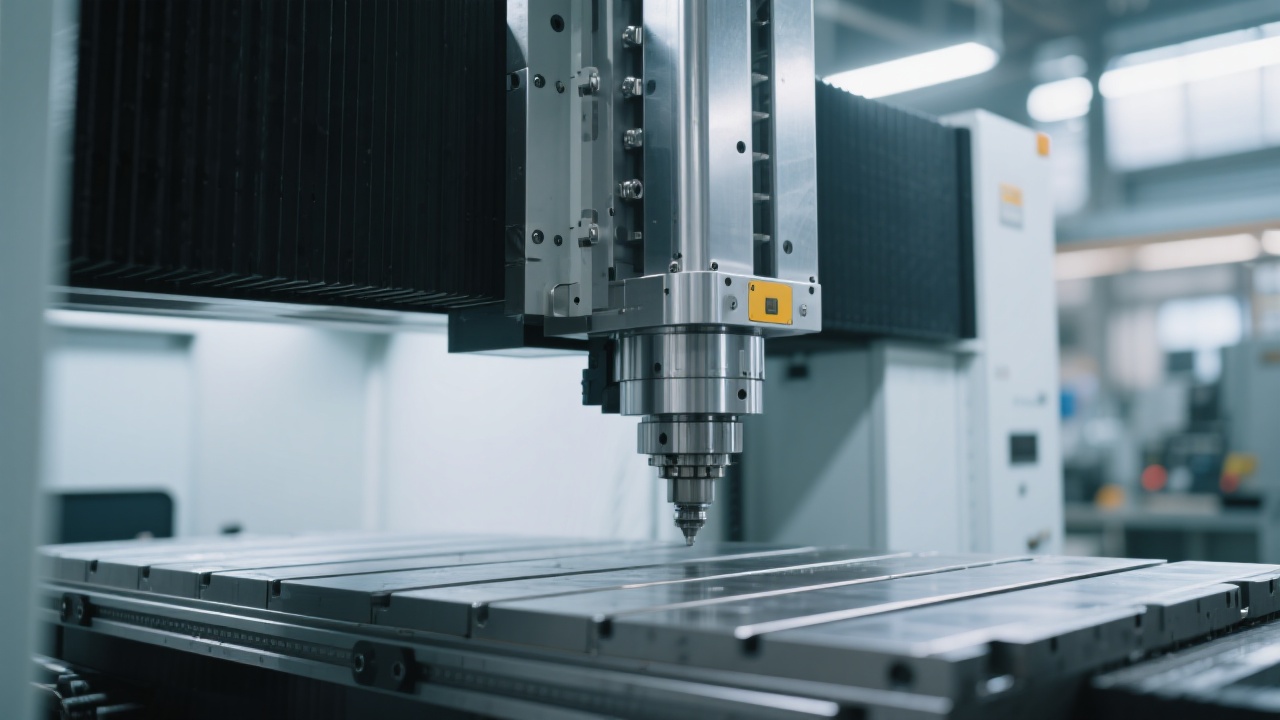
The DC8070A achieves stiffness through a fortified double-column machining center architecture. Key elements include:
Together, these design choices help suppress natural frequency shifts caused by cutting loads, facilitating stable tool paths and consistent tolerance control across multiple axes and passes.
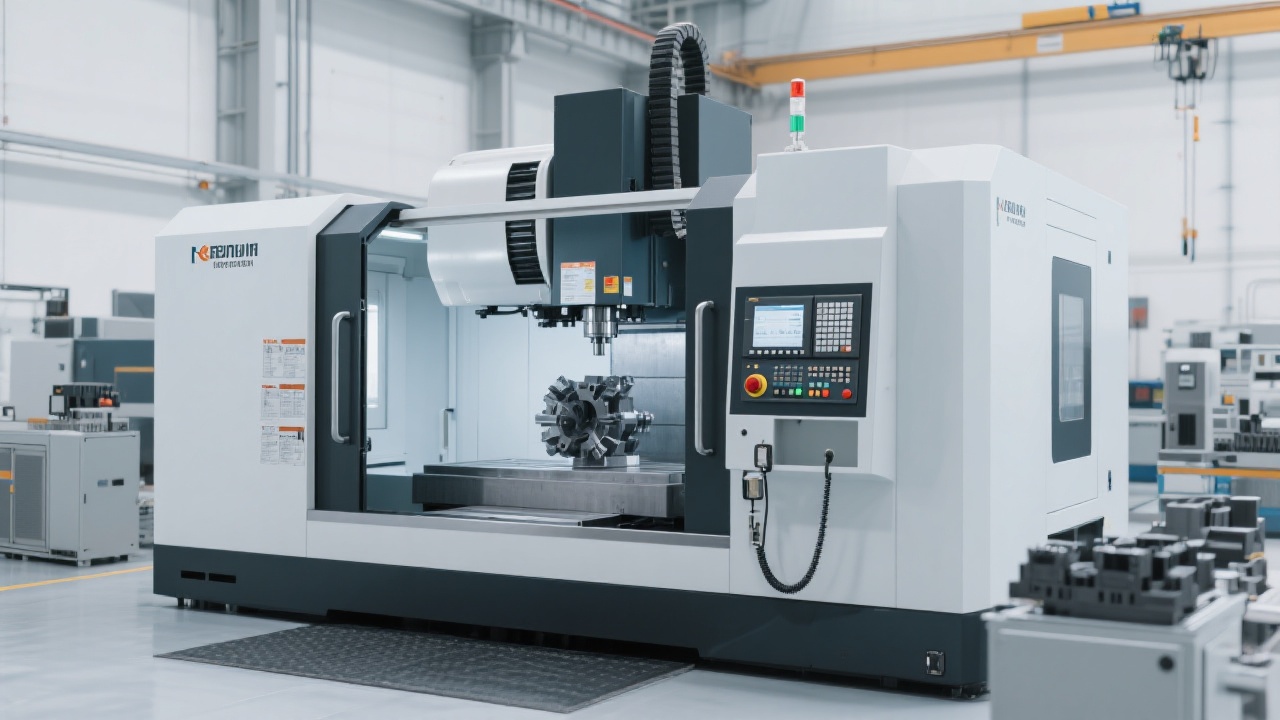
Rigidity directly translates into measurable gains in manufacturing performance. In controlled trials on high-precision components, operators observed:
In real-world deployments, a tooling supplier reported cycle-time reductions in the low double-digit percentages and a noticeable drop in scrap rates after transitioning to DC8070A-based production lines. These outcomes contribute to lower overall maintenance and downtime costs, improving total cost of ownership (TCO) over the machine’s lifecycle.

For manufacturers seeking reliable, long-life machining solutions, the DC8070A aligns with the demand for stable, low-variation production. Its four-axis capability enables complex contours with consistent surface integrity, reducing the need for secondary operations. The integrated ATC supports high-mix, low-volume production models without sacrificing throughput, a common requirement in global supply chains spanning North America, Europe, and Asia-Pacific.
凯博数控 positions the DC8070A as a turnkey solution for customers prioritizing reliability, predictable maintenance costs, and steady performance across economic cycles. The combination of high stiffness, advanced damping, and a proven tool-changing workflow translates into reduced downtime and tighter process control—critical factors when winning high-stakes contracts or sustaining long-term contracts with tiered manufacturers.

Typical applications include precision mold and die machining, aerospace component fabrication, automotive powertrain parts, and other components demanding tight tolerances and smooth surfaces. A representative case from an automotive component manufacturer demonstrated a cycle-time reduction of 18% and a scrap-rate decline of 22% after integrating the DC8070A into the production line. In aerospace contexts, customers report improved repeatability across multiple parts per lot, contributing to higher process yield and better process capability indices (Cpk) for critical features.

For manufacturers evaluating long-term purchase decisions, the DC8070A offers a compelling value proposition: stronger rigidity, improved process stability, extended tool life, and reduced maintenance needs—all contributing to lower total production costs and steadier output quality. The machine’s architecture is designed to deliver consistent results across shifts and operators, supporting global teams in achieving uniform process performance.





The page you're looking for dose not exist.
Let's get you back home.
It will jump automatically after 5 seconds!
Go Home



