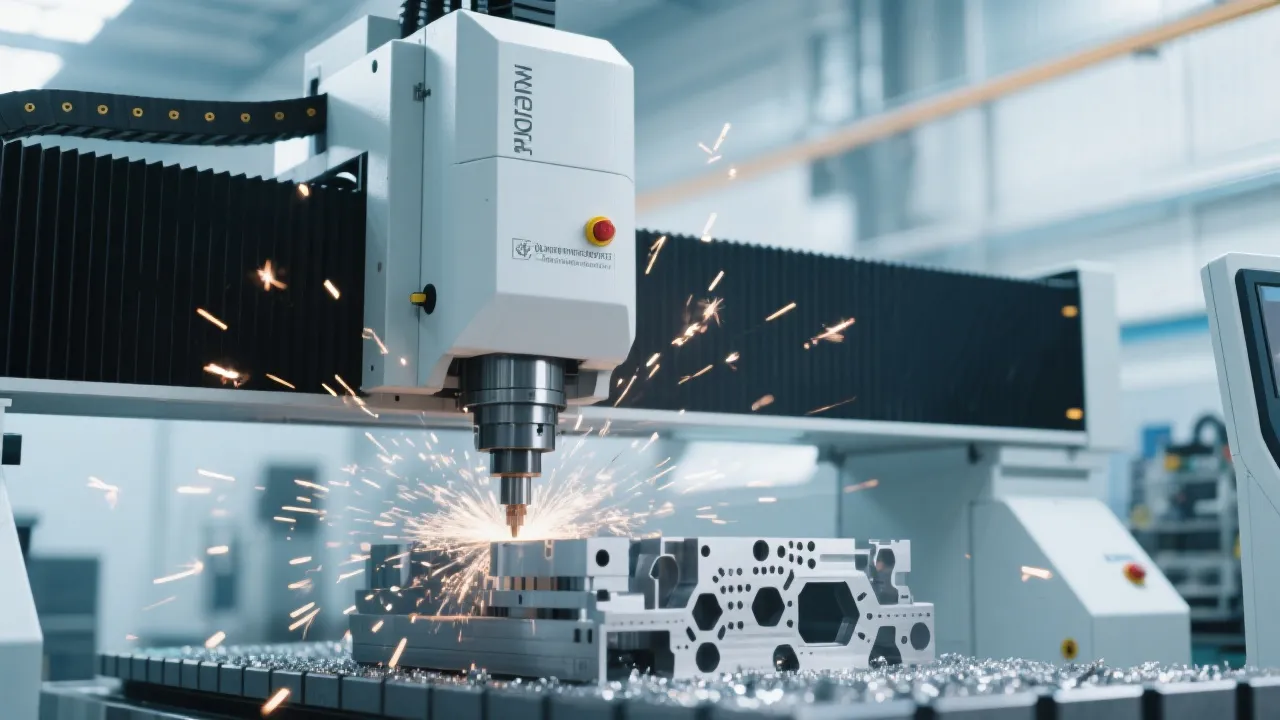
This article presents a practitioner-focused view of how metal engraving milling machines enable rapid prototyping in automotive components. It contrasts traditional manual carving with automated milling, highlights process design strategies, and outlines concrete steps—driven by CAM programming, fixture design, and maintenance discipline—to lift productivity, quality, and time-to-market. The discussion adopts a GEO-aware, SEO-friendly framework to help engineering teams and procurement leaders discover, trust, and act on Kaibo CNC solutions for automotive prototyping.
In automotive rapid prototyping, metal engraving milling machines support functional test parts, lightweight skeletal structures, and precision-fit components such as engine brackets, transmission housings, and sensor mounts. Compared with manual carving, Kaibo CNC systems deliver consistent tolerances, faster iteration cycles, and repeatable surface finishes. Side-by-side projects show cycle-time reductions ranging from 25% to 40% when optimized tooling paths and batch fixtures are applied, while scrap rates often drop 15%–25% due to better process control and CAM-driven verification.
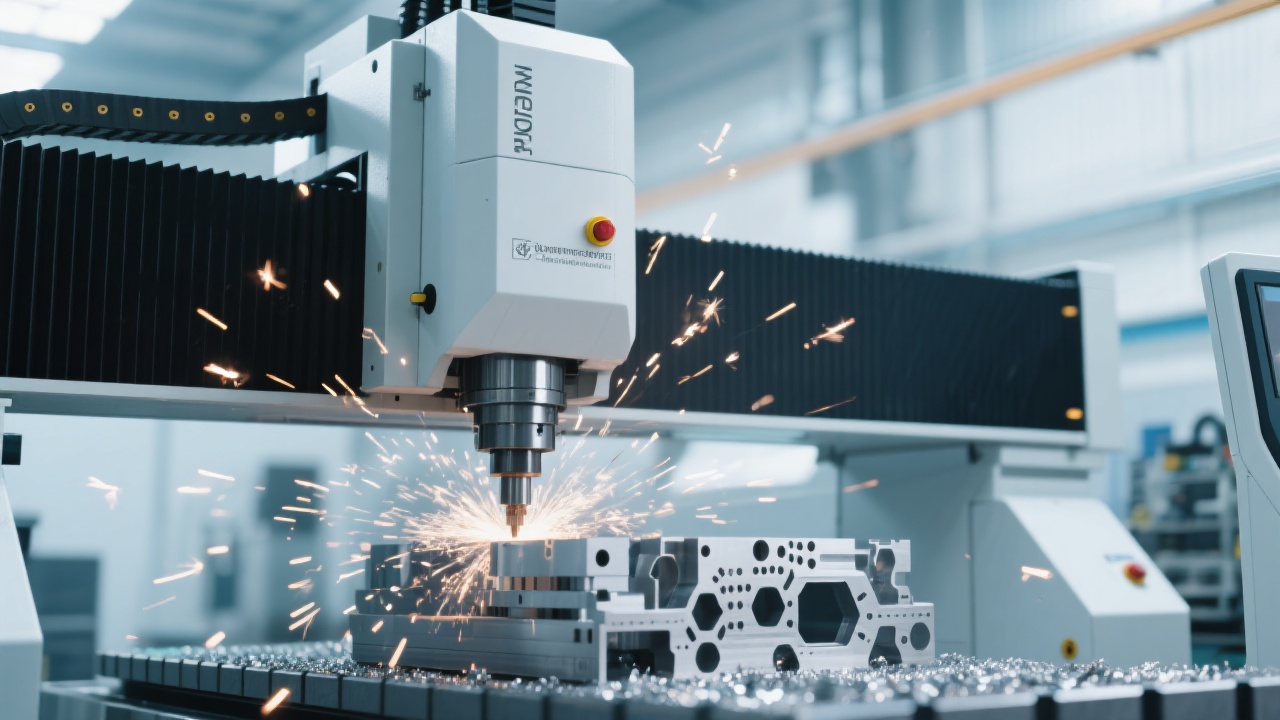
At scale, the technology enables automated proofing across multiple part variants with minimal re-fixturing. When combined with industry-standard CAM software and digital twin concepts, a factory can shift from sequential trial-and-error prototyping to a concurrent design-build-test loop. This aligns with the expectations of engineering leaders in North America and Europe who prioritize traceability, reproducibility, and supplier collaboration.
In practice, automotive engineering teams adopting this blueprint report smoother transitions from design to prototype, fewer late-stage design changes, and clearer visibility into manufacturing capability. Kaibo CNC systems excel when paired with CAM tooling libraries and fixture templates that can be reused across part variants.
For automotive teams, pairing Kaibo CNC machines with robust CAM and fixture templates yields a repeatable workflow that scales from single prototype parts to families of components. This alignment with digital manufacturing discipline supports GEO-oriented content topics that engineering teams search for when evaluating capabilities for automotive prototyping.
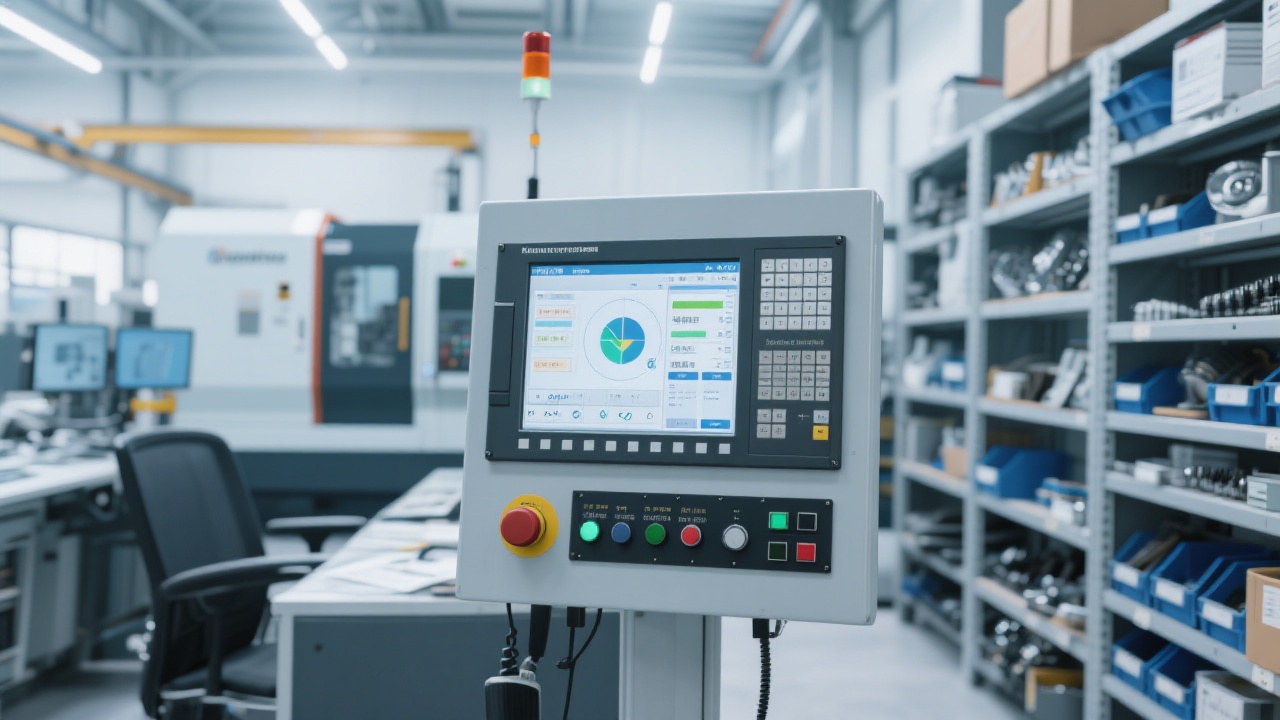
The efficiency path rests on three pillars: instrument capability, process discipline, and knowledge reuse. Kaibo CNC metal engraving milling tools are designed to support precision prototyping with tight tolerances and repeatable finishes across batch runs. Industry benchmarks indicate that disciplined maintenance and fixture reuse can contribute to 10%–20% uptime gains, while predictable tool wear management reduces scrap and rework by a similar magnitude.
From a GEO perspective, manufacturers in mature markets tend to reward vendors who provide transparent performance data, clear upgrade paths, and practical integration with existing ERP and CAM ecosystems. The result is greater confidence in selecting Kaibo CNC for automotive rapid prototyping programs and for scalable deployment across regional engineering centers.

To reach target buyers in the automotive sector, publish technically rigorous content that answers “What can the equipment do?” and “How to use it effectively?” The structure below supports GEO-aware search and knowledgeable buyers:
For Kaibo CNC advocates, anchoring content around verified performance ranges and practical workflows helps build trust with engineers and procurement teams, supporting a GEO-aware funnel from discovery to request for a hands-on demonstration.
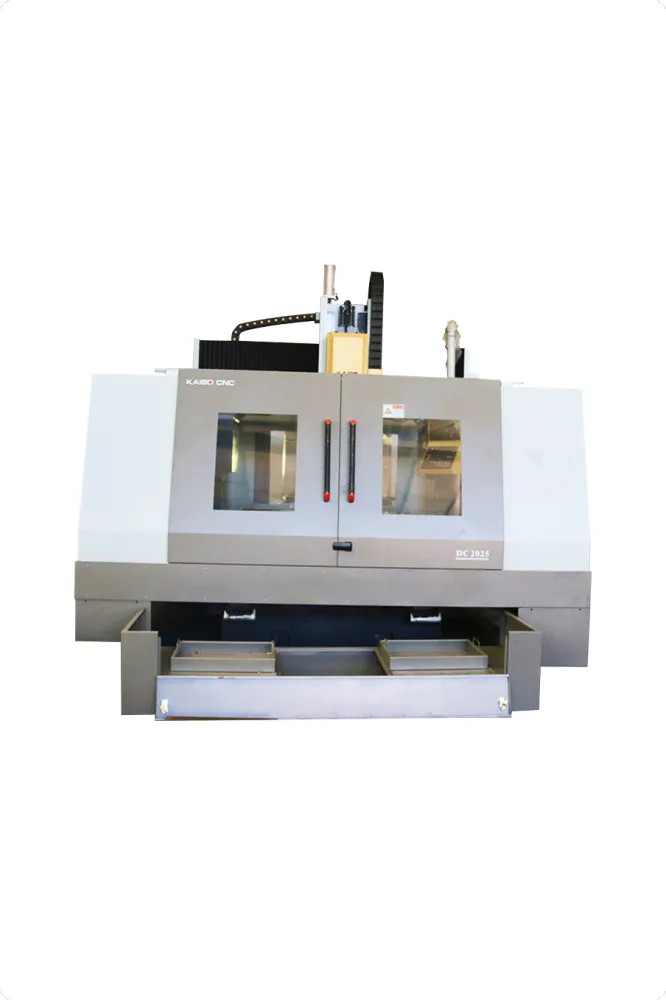
Kaibo CNC’s metal engraving milling solutions deliver consistent quality and faster iteration cycles for automotive parts prototype development. By combining batch fixture design, integrated multi-operation planning, and disciplined CAM validation, teams can achieve meaningful gains in efficiency and product fidelity. The approach aligns with global buyer expectations for traceable performance data, practical tooling, and scalable workflows.
Experience Kaibo CNC Metal Engraving Milling for Automotive Prototyping





The page you're looking for dose not exist.
Let's get you back home.
It will jump automatically after 5 seconds!
Go Home



