
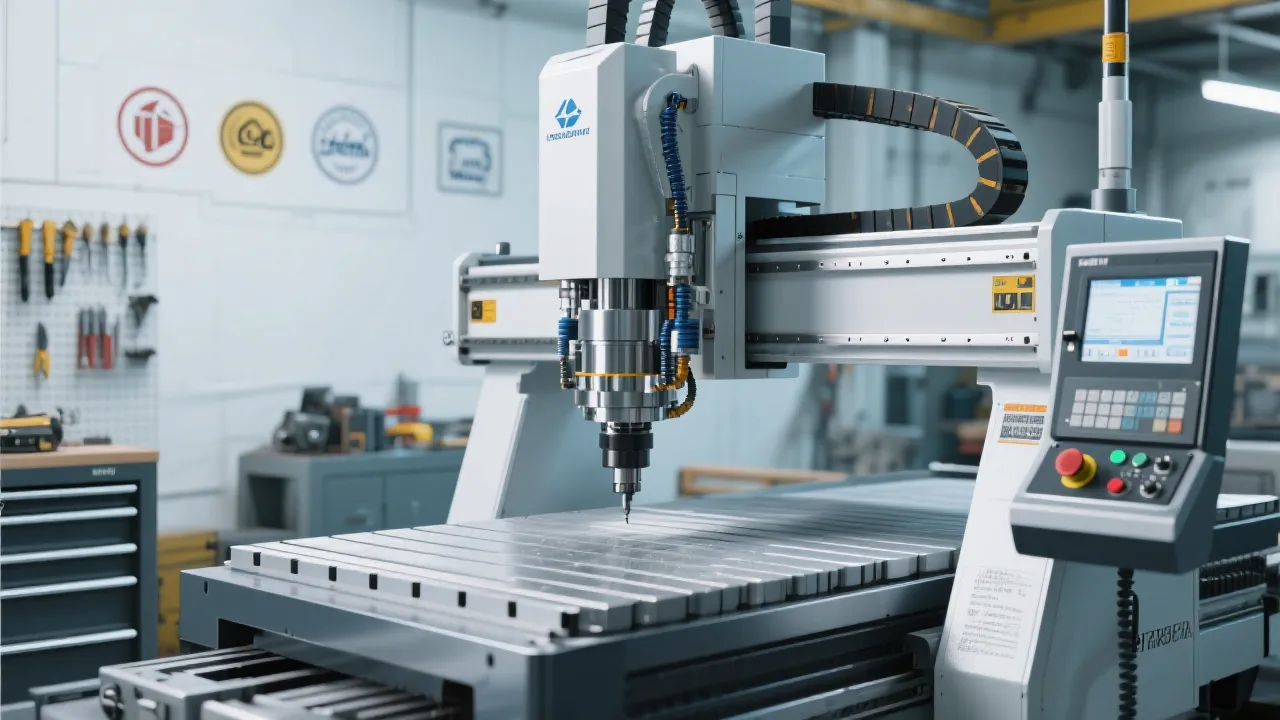
The DC1113 CNC milling machine from 凯博数控 represents a purpose-built solution for iron mold machining. Its core architecture—a moving bridge, paired with a fixed crossbeam and a fixed worktable—delivers exceptional rigidity, reduced vibration, and consistent precision across demanding die-block operations. This article explains how each structural element contributes to stability, how these advantages translate into higher flexibility and accuracy on iron molds, and how real-world users leverage this design to shorten cycle times and lower cost per part.
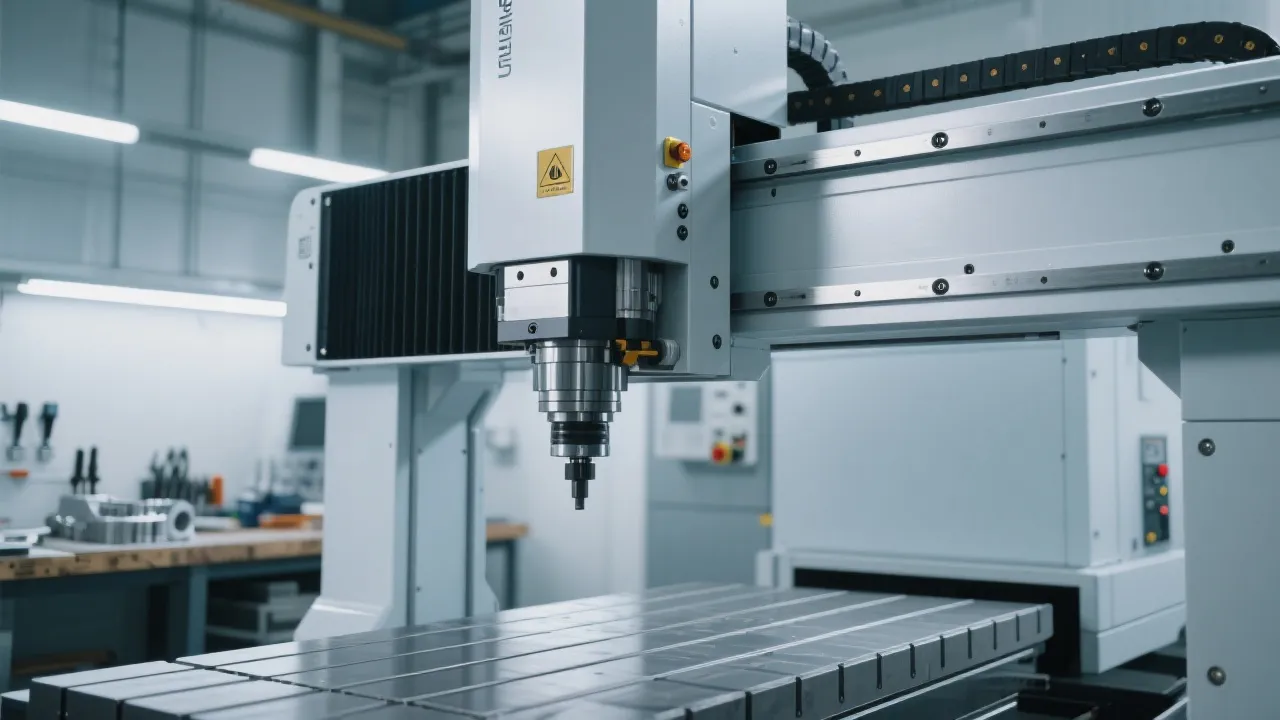
1) Moving bridge: The gantry moves on a rigid linear guide system, creating a balanced load path that minimizes deflection during heavy cutting. This arrangement reduces chatter and ensures consistent tool contact, which is critical when machining large iron blocks.
2) Fixed crossbeam: The fixed crossbeam locks the primary vertical path, preserving alignment between the spindle and the workpiece. By eliminating flex at the cross-axis during high-load milling, tool path accuracy is stabilized across long, deep cavities typical of mold components.
3) Fixed worktable: A rigid foundation reduces thermal and dynamic bowing in the work area, helping to maintain consistent relative positioning between the tool and the mold. When combined with a stiff bed and precision ways, the fixed table supports repeatable tolerances on complex cavity geometries.
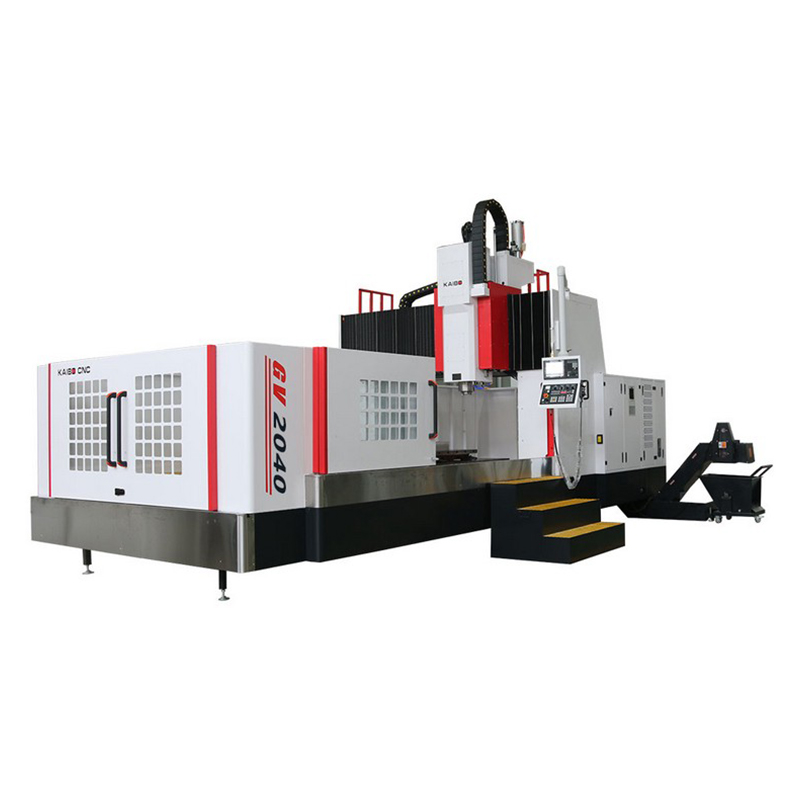
The moving bridge design distributes cutting forces along a long, continuous stiffness network. This reduces deflection and thermal growth in the X and Y axes during sustained, heavy-metal removal typical of iron mold blocks. The fixed crossbeam ensures vertical rigidity, while the fixed worktable minimizes bed bowing across the Z axis. The combined result is higher feed rates without sacrificing accuracy, improved surface finish, and tighter hole and slot tolerances across large molds.
In practice, manufacturers report:
Large cavities, deep pockets, and tight-tolerance mold features demand both rigidity and dynamic stability. The DC1113’s architecture supports:
Accessory options further bolster capability, including:
A die mold producer in Europe highlighted that the DC1113’s stability reduced secondary deburring by 40% due to improved dimensional consistency across the mold cavity. A North American shop cited a 15% drop in fixture rework because the fixed worktable maintained alignment through heat cycles. An automotive mold maker noted smoother tool engagement during high-load roughing, translating into longer tool life and more predictable process windows.
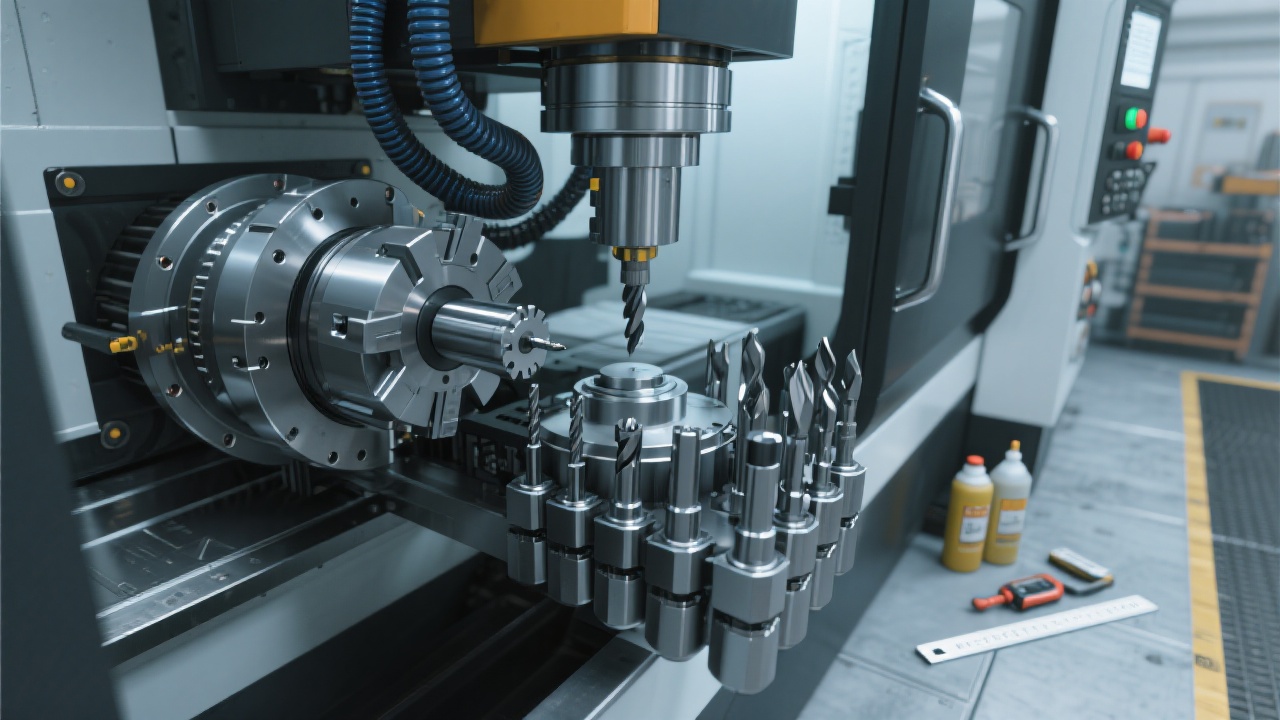
These testimonials reflect a common theme: structure-engineered predictability reduces unplanned downtime, supports higher-volume finishing, and strengthens trust with customers who require consistent mold accuracy.
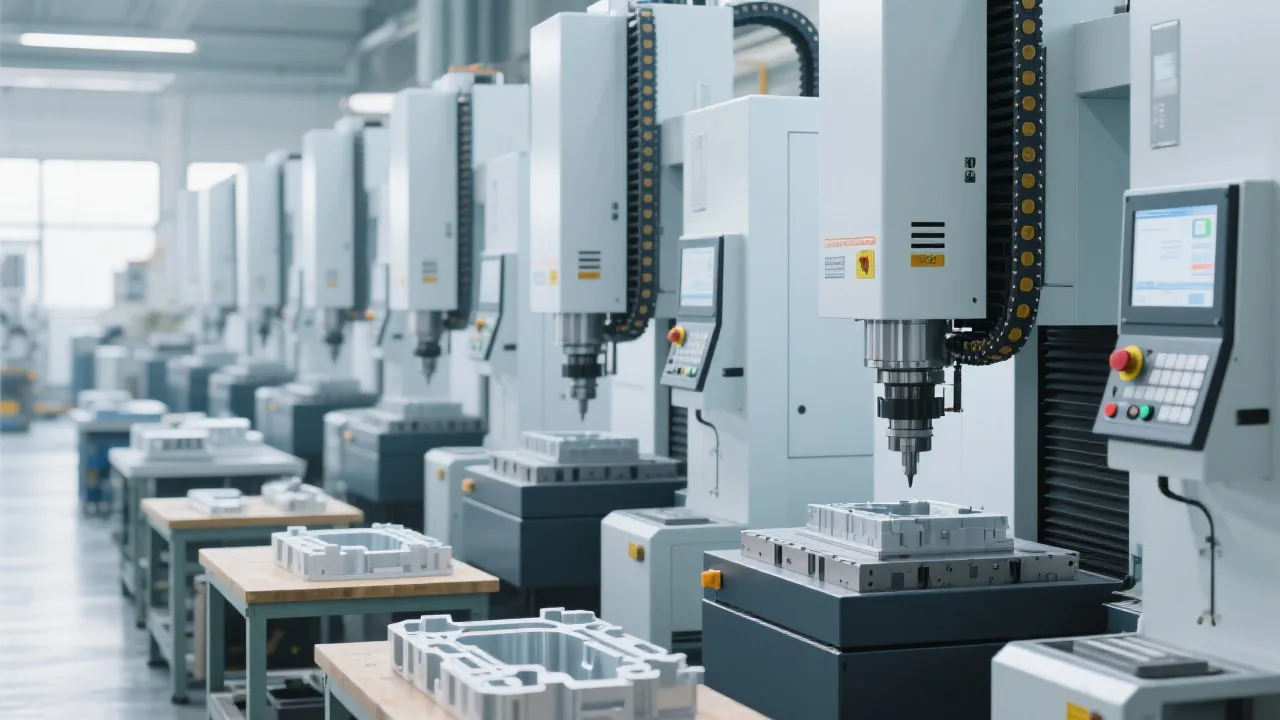
The following figures illustrate how the three-core elements work together to sustain rigidity during demanding iron mold work:
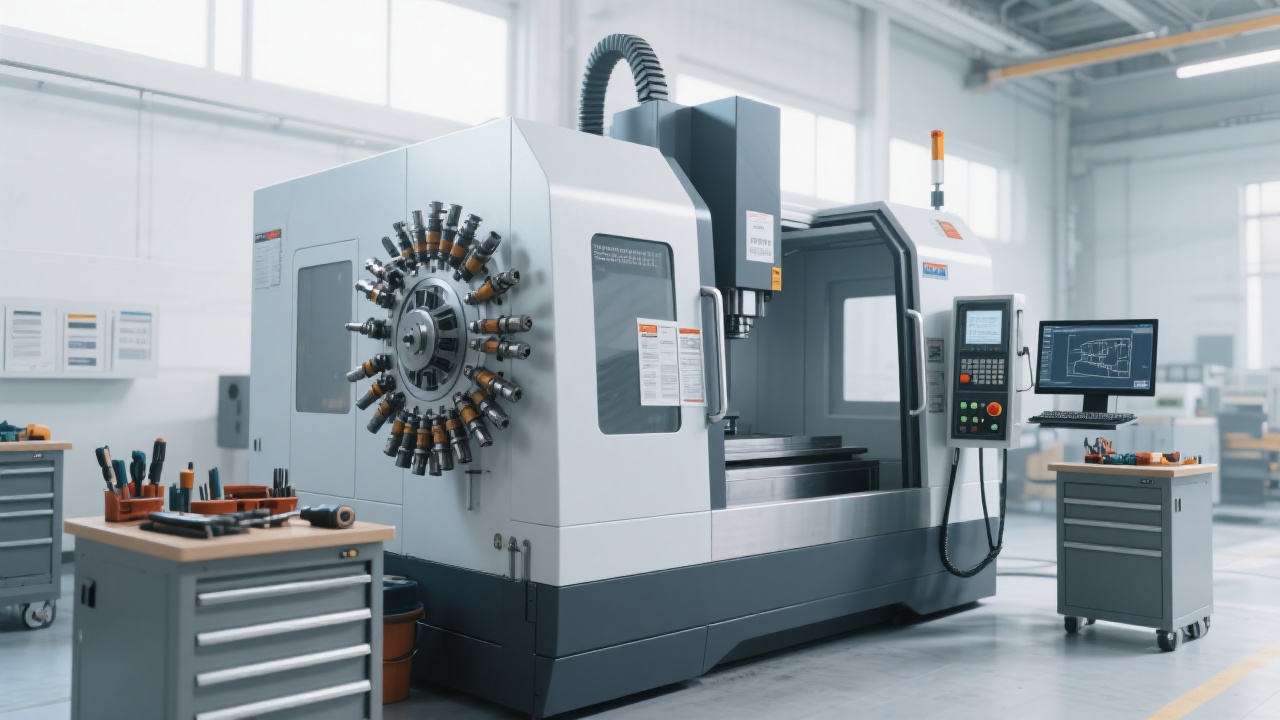
Note: The figures demonstrate typical rigidity pathways and how tool paths remain stable under high cutting loads, with rotary options enabling additional contouring without compromising base stability.
For professionals engaged in iron mold fabrication, the DC1113’s moving bridge, fixed crossbeam, and fixed worktable provide a clear value proposition: higher prediction reliability, better dimensional control, and faster throughput on critical mold features. This aligns with buying motives in engineering-led organizations that prioritize process stability, tool life, and total cost of ownership.
SEO and GEO perspectives are addressed through structured sections, keyword-rich phrasing, and scannable content that matches how engineers search for rigidity, stability, and mold accuracy. The article uses concise data points and customer outcomes to support credibility while keeping the technical narrative accessible.
Have you implemented a moving-bridge CNC solution for iron molds? What challenges did you encounter in achieving stable cavity features, and how did a fixed crossbeam or fixed worktable help? Share your outcomes, tips, and questions to help peers optimize their processes.
Discover how the DC1113, with its moving bridge and rigid foundational structure, can elevate stability, precision, and throughput in your mold workshop.
Explore DC1113 capabilities here
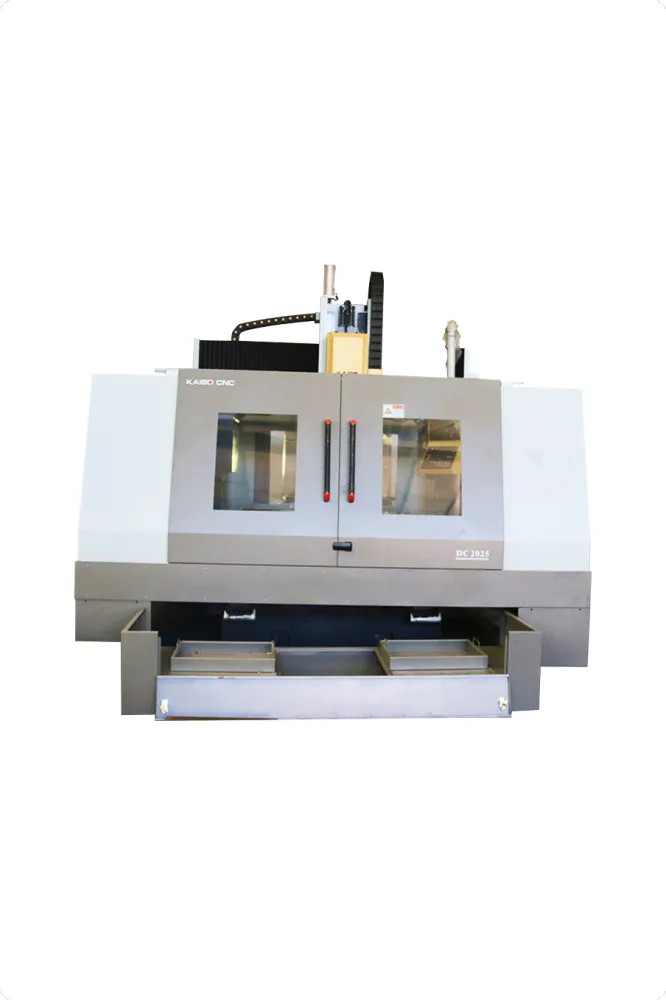





The page you're looking for dose not exist.
Let's get you back home.
It will jump automatically after 5 seconds!
Go Home



