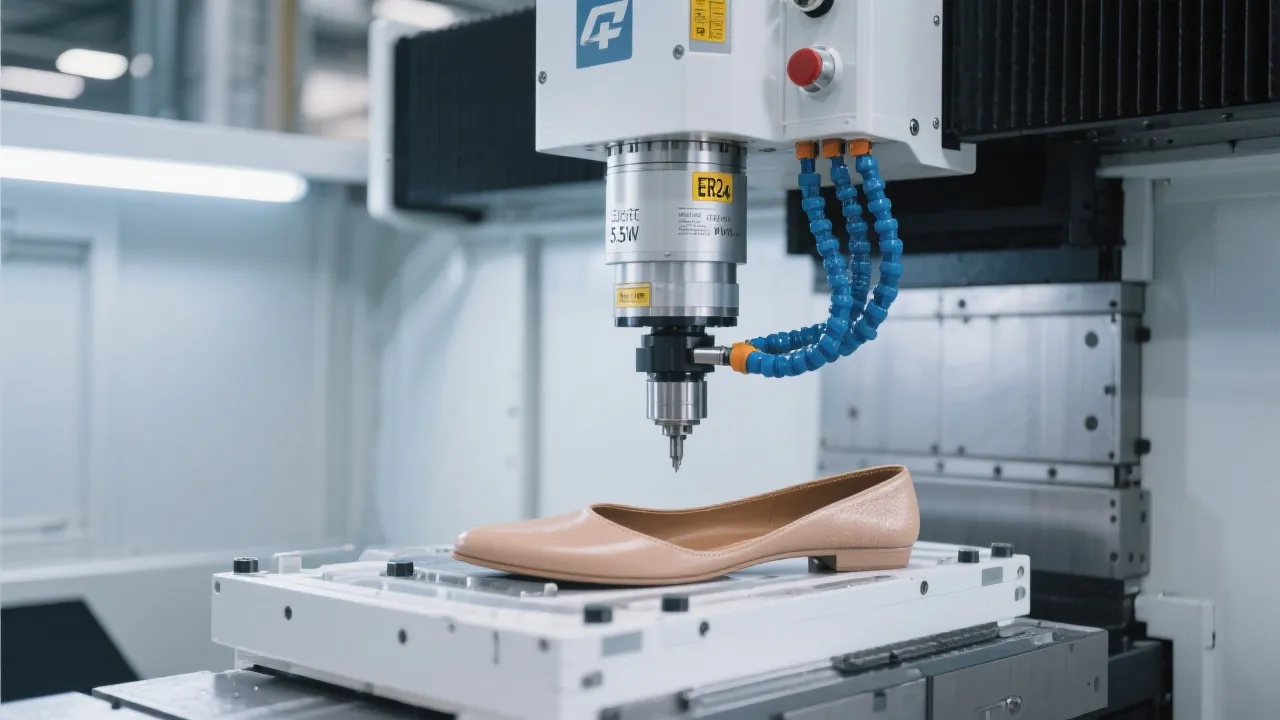
This article examines the core technologies that enable high-precision metal engraving and milling, focusing on servo system response and toolpath optimization. It connects theoretical principles with practical adjustments used in mold manufacturing and aerospace components. For engineers seeking reliable performance, the discussion blends foundational concepts with actionable parameters, thermal deformation compensation, vibration suppression, and multi-axis synchronization. The aim is to equip professionals with concrete steps to improve dimensional accuracy, surface quality, and process stability on real equipment such as Kaibo CNC systems.
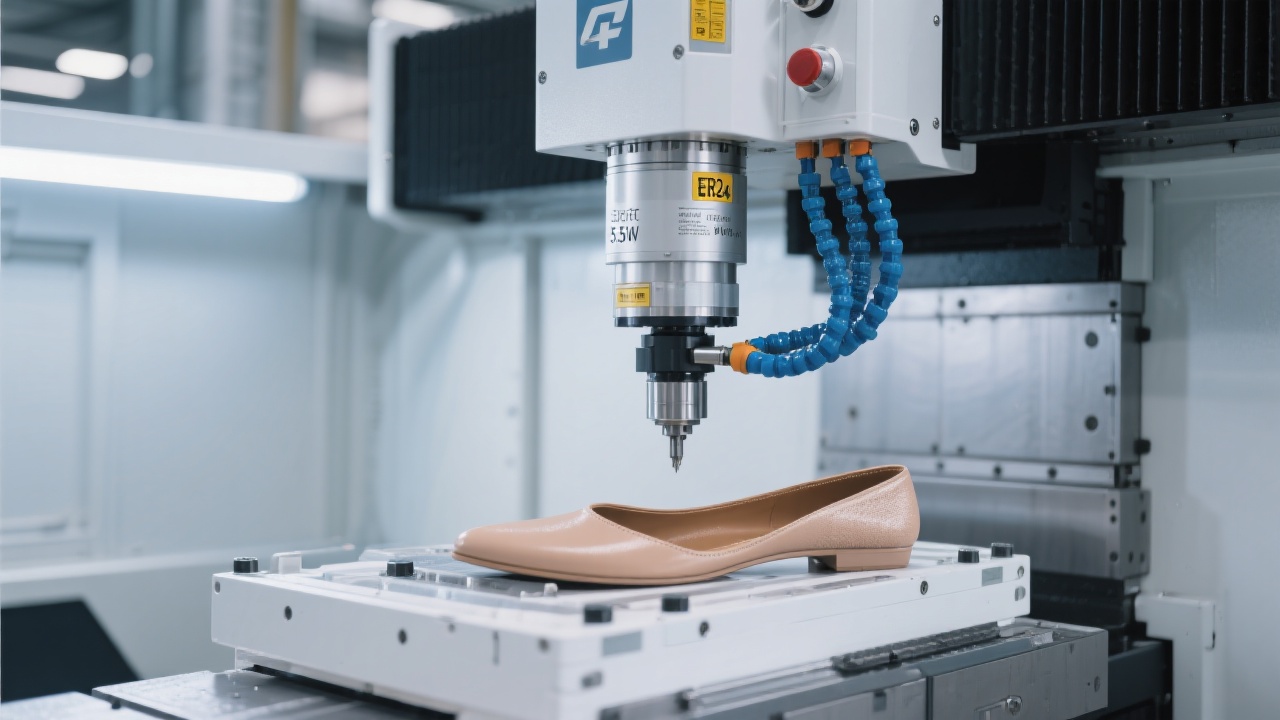
The accuracy of metal engraving and milling hinges on how quickly the servo loop can respond to commanded positions and disturbances. Key metrics include closed-loop bandwidth, latency, and resolution of position feedback. In high-speed CNC environments, a practical closed-loop bandwidth ranges from 1 to 3 kHz, enabling rapid correction of error signals within milliseconds. Resolution often lies in the sub-micrometer to a few-micrometer range, depending on encoder quality and mechanical stiffness. A typical servo error budget comprises:
For die-mold manufacturing and aerospace components, these values translate to tolerance achievements in the ±5 μm to ±20 μm regime for linear features, with surface integrity governed by subsequent finishing steps. The interplay between servo dynamics and tool path history defines the actual geometric accuracy at the part contour, making look-ahead and disturbance rejection critical to performance.
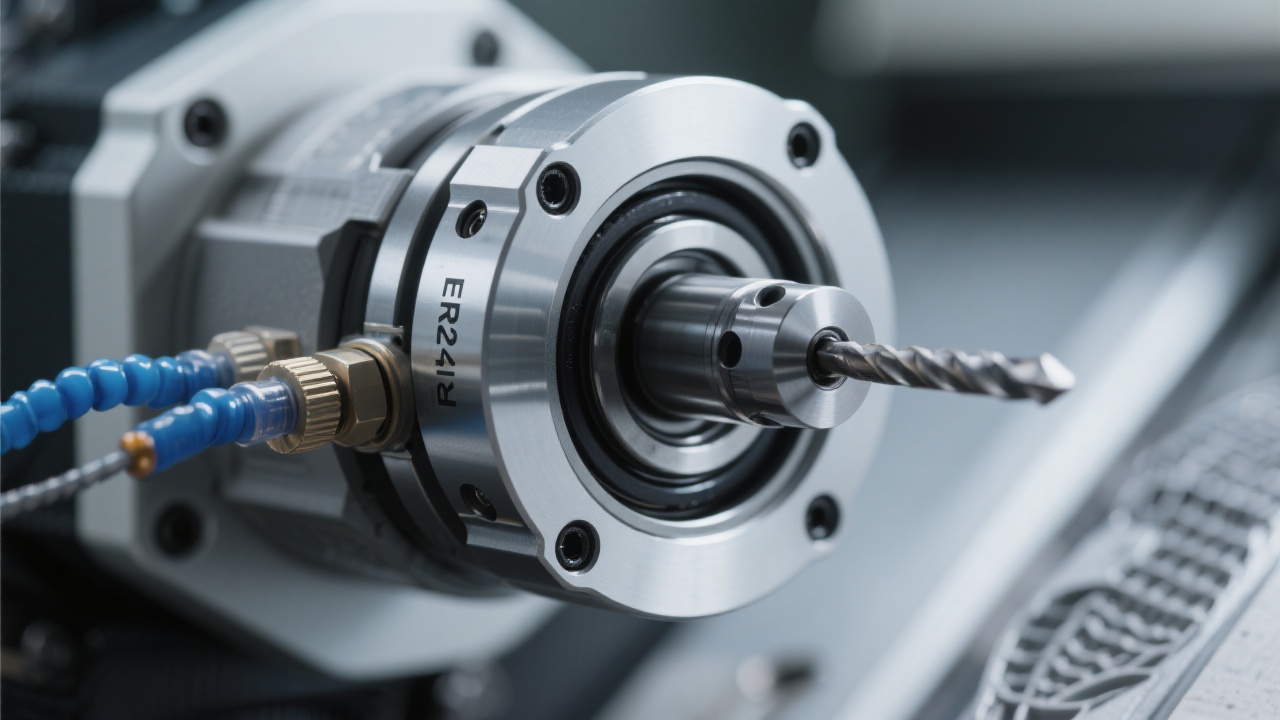
Toolpath optimization reduces dynamic loads, smooths velocity profiles, and minimizes thermal and geometric errors. The core elements include look-ahead planning, adaptive feed rate control, path smoothing, and jerk-limited transitions. Practical guidelines include:
When integrating optimization routines on Kaibo CNC platforms, engineers should align the toolpath with controller capabilities, ensuring look-ahead data is coherent with the tool engagement strategy. In aerospace-grade components, toolpath strategies that favor consistent chip load and synchronous multi-axis motion can yield meaningful reductions in residual chatter and surface waviness, translating into tighter tolerances on complex geometries.
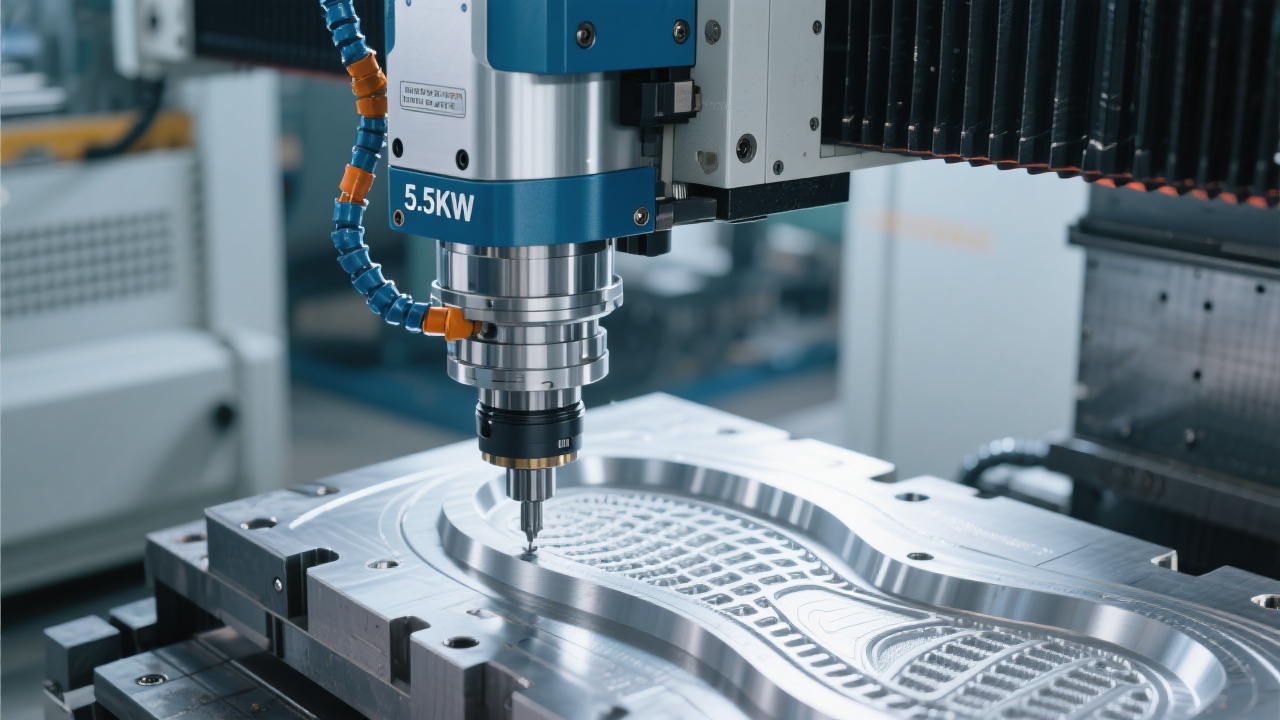
Thermal effects and mechanical vibrations are major sources of dimensional drift and surface waviness. Effective compensation combines predictive modeling with real-time measurement. Steps include:
In practice, this translates to tighter tolerances for tool paths in long, slender features and smoother surface finishes on complex contours. For multi-axis operations, synchronized compensation across axes prevents cumulative errors when the workpiece and spindle experiences thermal drift together.

Five-axis and multi-axis simultaneous milling require precise coordination of tool motion to avoid collisions and to maintain consistent chip load. Synchronization of rotational and linear axes with minimal latency is essential for tight tolerances in aerospace structural components and precision mold cavities. The following short case snapshots illustrate practical outcomes:
Real-world milling often encounters issues that degrade accuracy and surface quality. A concise diagnostic checklist helps engineers identify root causes and implement fixes quickly:
Kaibo CNC systems emphasize robust servo control, intelligent look-ahead, and integrated compensation strategies to reduce the frequency of these issues, enabling engineers to focus on process optimization rather than circuit-level fault hunting.
For professionals embracing data-driven optimization, coupling experimental results with a structured process enables continuous improvement. The combination of precise servo response, optimized toolpaths, thermal compensation, and vibration control yields repeatable, high-quality outcomes across complex parts and materials.
Ready to elevate your precision milling with proven technologies? Kaibo CNC delivers integrated control strategies and machine configurations designed for mold, aerospace, and precision-engineered components.






The page you're looking for dose not exist.
Let's get you back home.
It will jump automatically after 5 seconds!
Go Home



