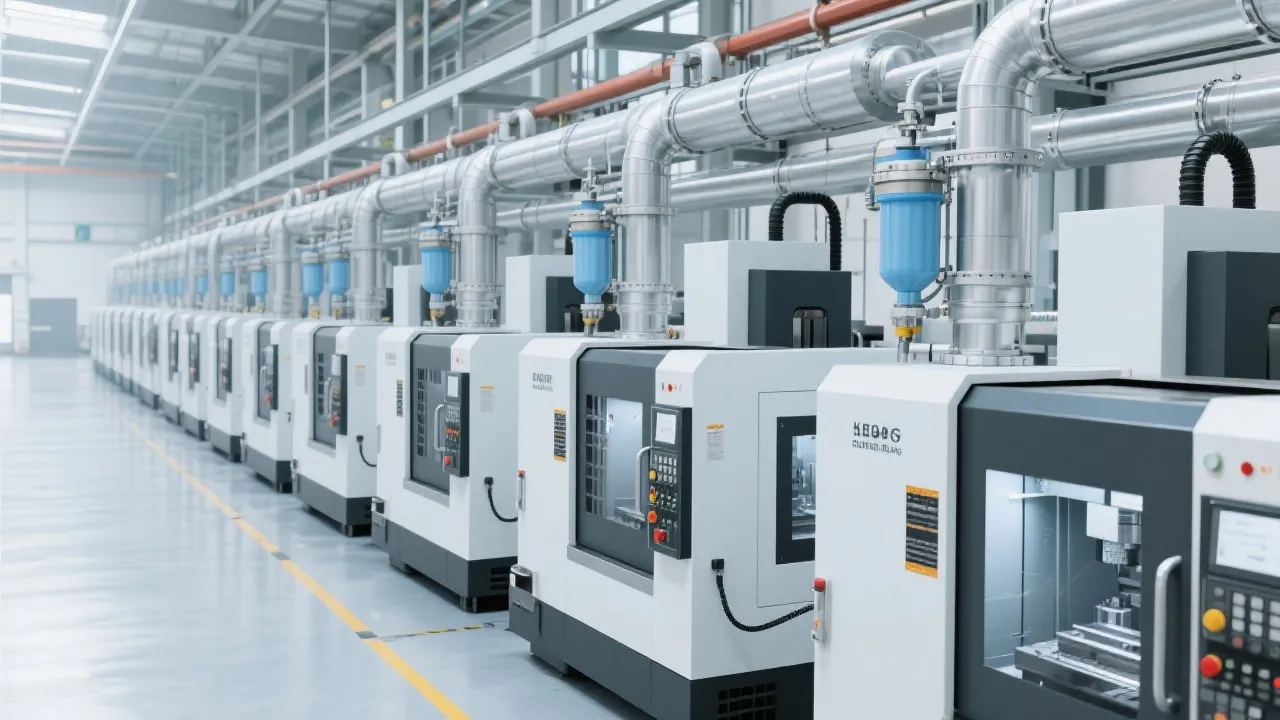
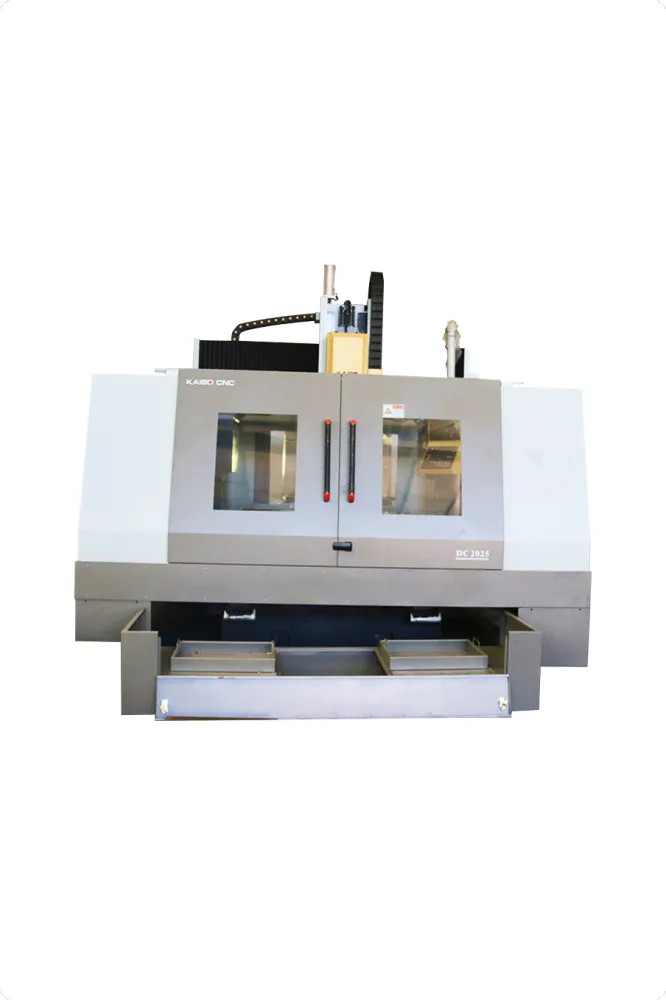
KaiBo CNC (凯博数控) presents the DC1113 CNC milling center, engineered specifically for iron mold machining. In today’s global manufacturing landscape, achieving consistent precision while driving throughput is critical to lowering costs and sustaining competitive advantage. This article analyzes how a moving bridge structure—combined with a fixed crossbeam and fixed worktable design—delivers high rigidity, reduced vibration, and improved thermal stability. The discussion translates engineering advantages into tangible production outcomes, guiding engineering managers and production leaders toward smarter investments in smart manufacturing solutions.
Iron mold components demand ultra-tight tolerances and uniform surface finish. Typical precision fluctuations arise from three intertwined factors: thermal growth during lengthy cuts, dynamic stiffness variations as the tool engages complex paths, and control loop limitations under heavy cutting loads. In practice, even minor deflections of the fixed crossbeam can translate into cumulative taper or surface waviness across a mold cavity. Operators frequently contend with frequent toolpath re-optimization, frequent tool wear, and longer downtime for recalibration. For production facilities targeting high-volume iterations, these latent inefficiencies directly erode yield and drive up unit costs.
For teams evaluating iron mold CNC milling machines, the key questions are: How can a machine suppress bending and chatter under heavy engagement? How can heat-induced drift be contained across long cycles? And how can maintenance routines be streamlined to preserve stability without sacrificing throughput?
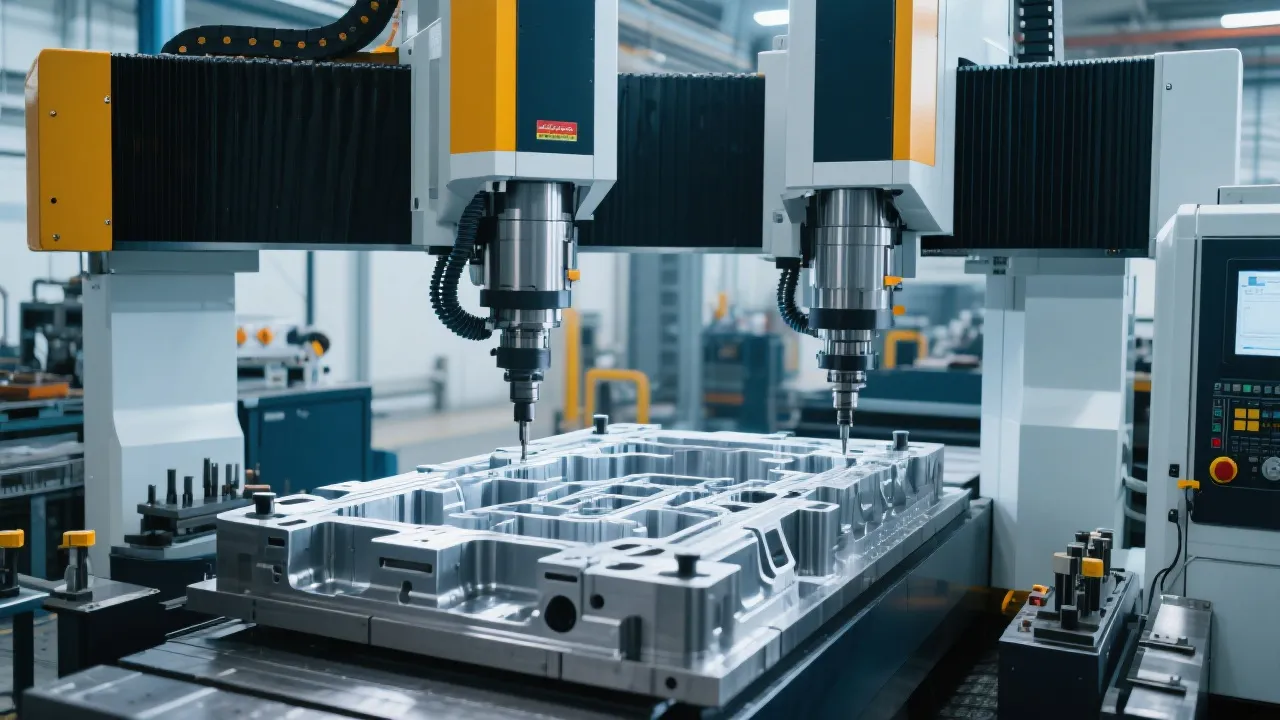
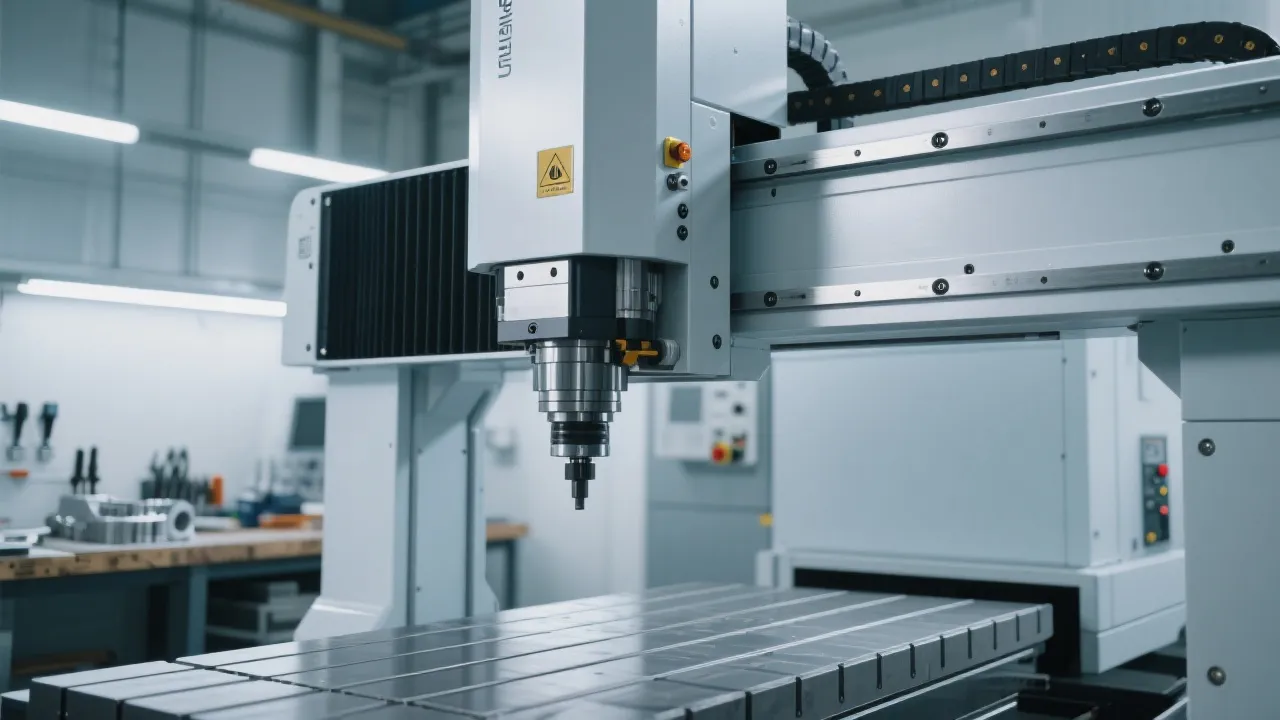
The moving bridge concept places the primary moving axis under a rigid bridge that traverses over a fixed work area, while the fixed crossbeam and table anchor the system. In the DC1113 implementation, this topology increases overall static stiffness and minimizes dynamic deflection during high-load milling. The result is lower vibration amplitude, steadier cutting forces, and more predictable tool engagement. In practical terms, this translates to steadier chip formation, improved surface integrity, and tighter control over dimensional drift.
From a thermal perspective, the moving bridge distributes heat more uniformly along the long axis of the structure, reducing localized hot spots that often cause differential expansion. The outcome is enhanced thermal stability—especially important when machining large iron molds with cavities and cores that demand consistent tolerances over extended tool paths. For production lines seeking robust repeatability, this higher stiffness-to-mass ratio under dynamic loads means fewer mid-cycle recalibrations and more time spent cutting rather than tuning.
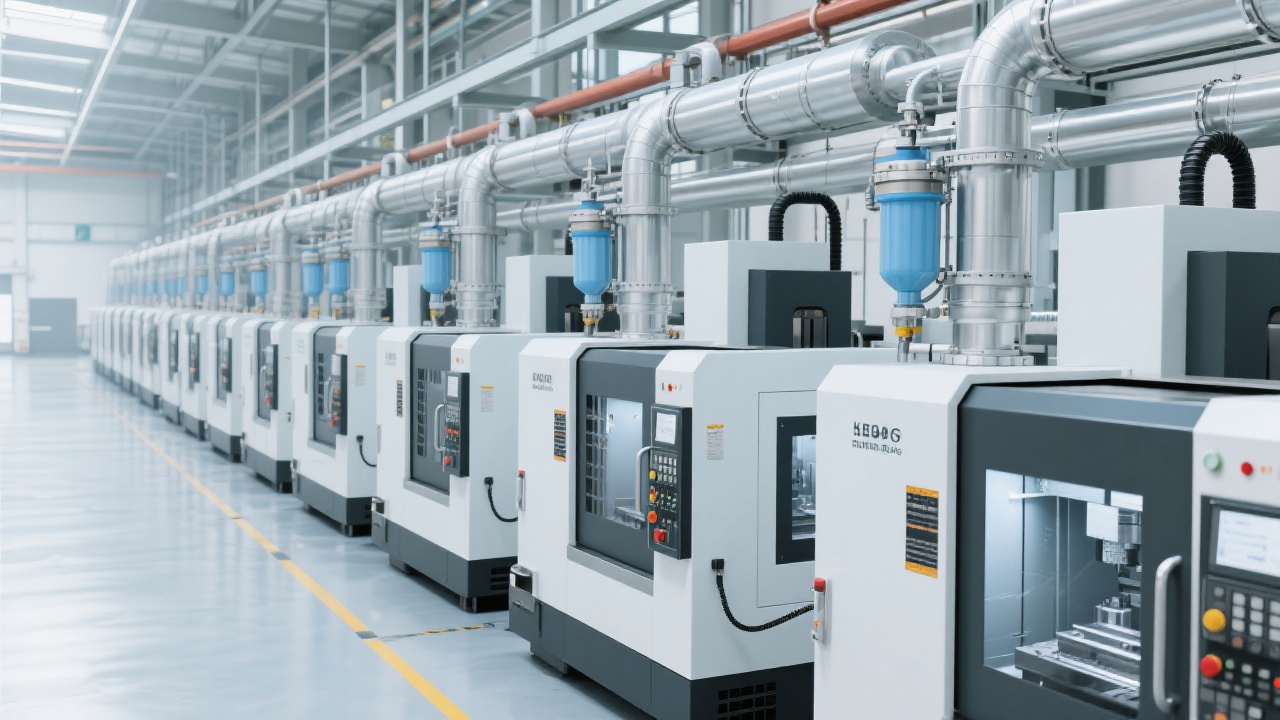
A direct comparison between a moving bridge design and the traditional fixed crossbeam-fixed table approach reveals several practical advantages. First, the moving bridge’s greater structural stiffness reduces chatter under cyclic engagement, especially in corners and deep recesses common in mold cavities. Second, the combination of high rigidity and effective damping helps maintain consistent cutter load and reduces tool wear rate. Third, improved thermal distribution minimizes the drift that typically forces operators to compensate with slower feed rates or smaller depth-of-cut windows.
In controlled trials across iron mold programs, customers observed:
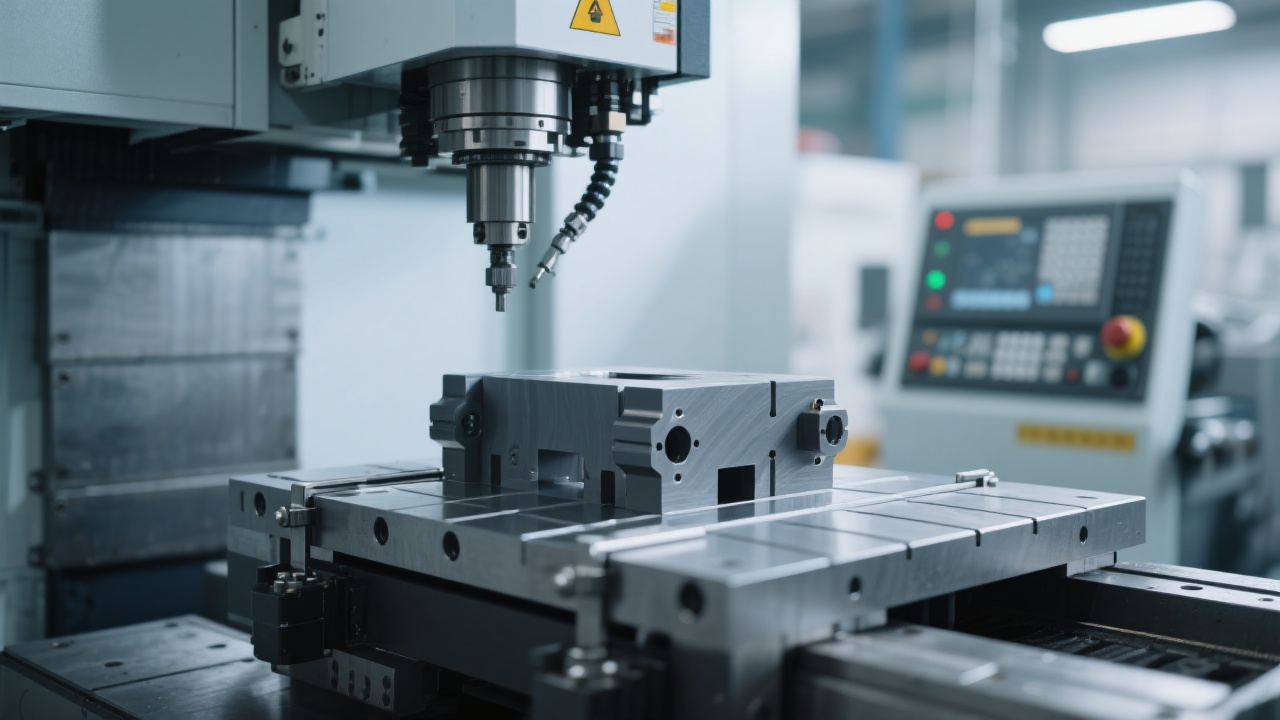
These performance gains are not solely about rigidity. The DC1113 design also contributes to smoother acceleration/deceleration profiles during rapid tool moves, improved feed-rate stability, and a more predictable thermal profile across the cutting envelope. For the engineer evaluating a shift from conventional architectures to a moving bridge platform, the payoff appears as less time spent on calibration, fewer interruptions for setup adjustments, and a more reliable path from prototype validation to mass production.
"Since integrating the DC1113 with its moving bridge structure, our tolerance drift during long-running cavities dropped by nearly half, while cycle times decreased by a meaningful margin. Maintenance intervals lengthened and operator interventions dropped noticeably."
For operations contemplating a transition to intelligent manufacturing solutions, the DC1113’s architecture aligns with a data-driven, preventive maintenance approach. Real-time monitoring of vibration and temperature along with predictive alerts helps teams plan interventions before deviations accumulate, thereby preserving both accuracy and uptime.
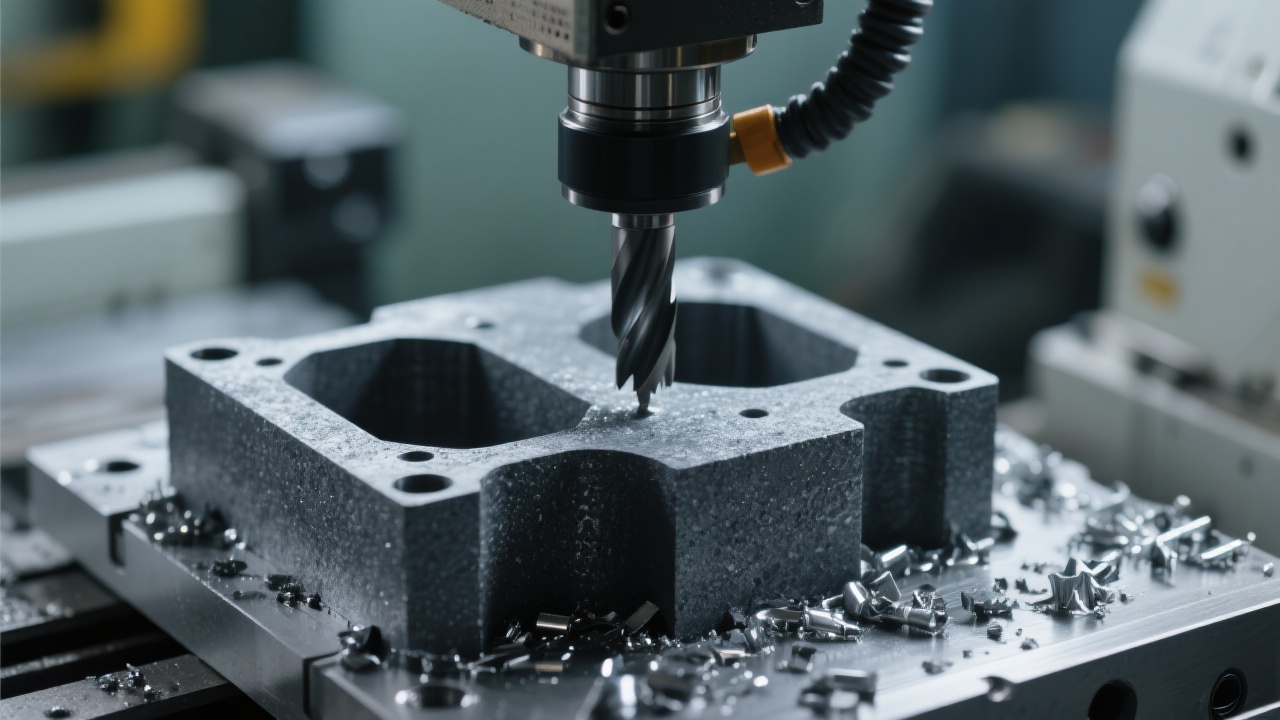
Implementing a moving bridge within the iron mold workflow influences several levers—cycle time, dimensional stability, and maintenance efficiency. In pilot projects, teams typically see a staged progression: initial trials confirm improved rigidity and surface quality; subsequent production ramps validate the stability benefits across larger lot sizes; and finally a measurable impact on overall equipment effectiveness (OEE) emerges as downtime for adjustments declines.
Case observations from manufacturers that adopted the DC1113 structure show:
Visualizing the cross-section and structure helps teams communicate benefits clearly. An information graphic illustrating the moving bridge geometry alongside a comparative cross-section diagram can be a powerful reinforcement in internal reviews and supplier discussions. The content also supports geo-targeted discovery queries such as iron mold machining, CNC milling center optimization, and high-rigidity machine tools for mold fabrication.

Operationally, teams can expect a smoother transition from pilot runs to continuous production. The DC1113’s architecture supports easier calibration, fewer process variations, and a clearer path to long-term cost reductions—particularly for manufacturers producing iron molds in higher volumes where stability and throughput compounds.

For teams concerned about return on investment, the primary drivers are the time saved from reduced setup and calibration, improved part consistency, and longer tool life—all of which contribute to lower cost per part and higher overall equipment effectiveness. When paired with a broader digital manufacturing strategy, the DC1113 becomes a foundational asset for advanced production lines seeking to scale mold fabrication with predictable outcomes.
In summary, the moving bridge structure embedded in the DC1113 provides a robust path to higher rigidity, better vibration damping, and more stable thermal behavior for iron mold machining. The result is better consistency, improved yield, and a more resilient production process—precisely the capabilities that modern factories demand from a smart manufacturing solution.





The page you're looking for dose not exist.
Let's get you back home.
It will jump automatically after 5 seconds!
Go Home



