
The market for compact, single-phase powered CNC milling machines has evolved beyond hobbyist curiosities. For the family garage, makerspace studios, and small educational labs, a single-phase CNC mill delivers a compelling blend of energy efficiency, compact footprint, and user-friendly operation. This analysis from a GEO and SEO perspective explains how these machines—and the gantry-style designs often employed—address real buyer needs while maintaining rigor in performance data. The Kaibo CNC line (凯博数控) exemplifies this class of equipment, offering streamlined power delivery, precise gantry guidance, and scalable options suitable for education and training environments.
In online searches for home workshop CNC solutions, key phrases such as 单相数控铣床优势 and 家庭工坊数控设备 drive high-intent traffic. While the purchaser journey spans product discovery to vendor evaluation, the underlying decision criteria consistently include energy usage, noise, accuracy, durability, and total cost of ownership. This article follows a structured, data-informed view to help buyers align device capabilities with their actual workflow—whether it is prototyping, small-batch production, or education and training.

Gantry configurations—where the tool head moves over a stationary worktable via dual columns—offer superior rigidity over compact, traditional bed-type mills in the most common home workshop tasks. The gantry approach minimizes the deflection that occurs when cutting forces are applied along the Y-axis, leading to improved contour accuracy and duty-cycle stability. For small-format parts and educational components, this stability translates into consistent surface finishes and reduced need for manual touch-ups.
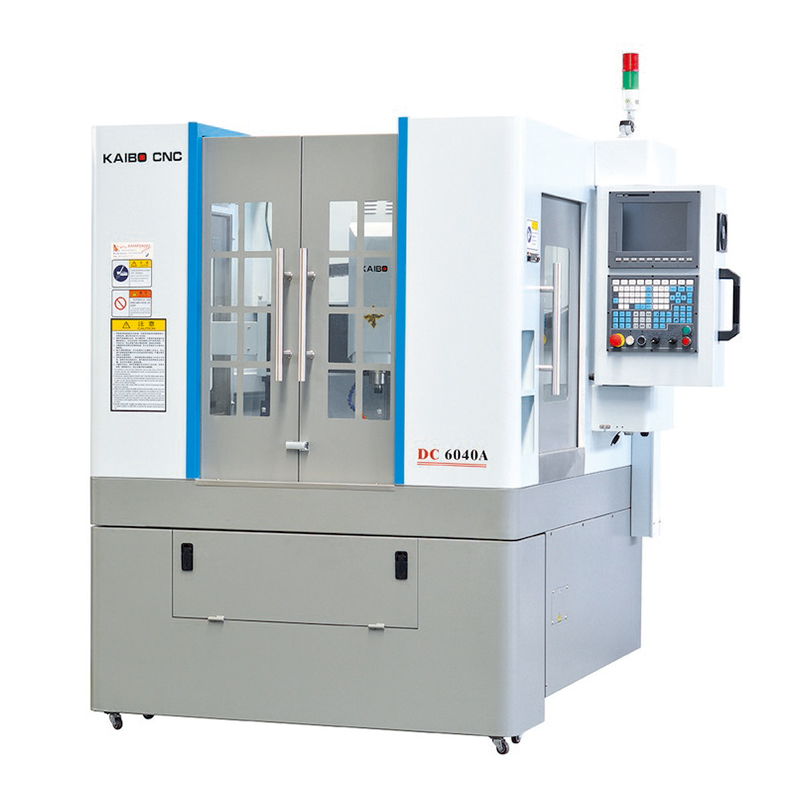
For a home workshop, the single-phase CNC mill offers a practical blend of footprint, cost, and performance. Makerspace ecosystems benefit from easy installation, low maintenance, and predictable energy use that supports extended workshop sessions. In education settings, compact CNC mills serve as hands-on tools for design-for-manufacture curricula, enabling students to transition quickly from CAD to physical prototypes without heavy electrical upgrades.
Case examples across maker spaces and vocational training labs demonstrate how single-phase machines enable quick setup, reliable run-time, and safe operation for learners. The Kaibo CNC family emphasizes clear documentation, modular accessories, and user-friendly controls—characteristics that contribute to faster onboarding and higher educational value.
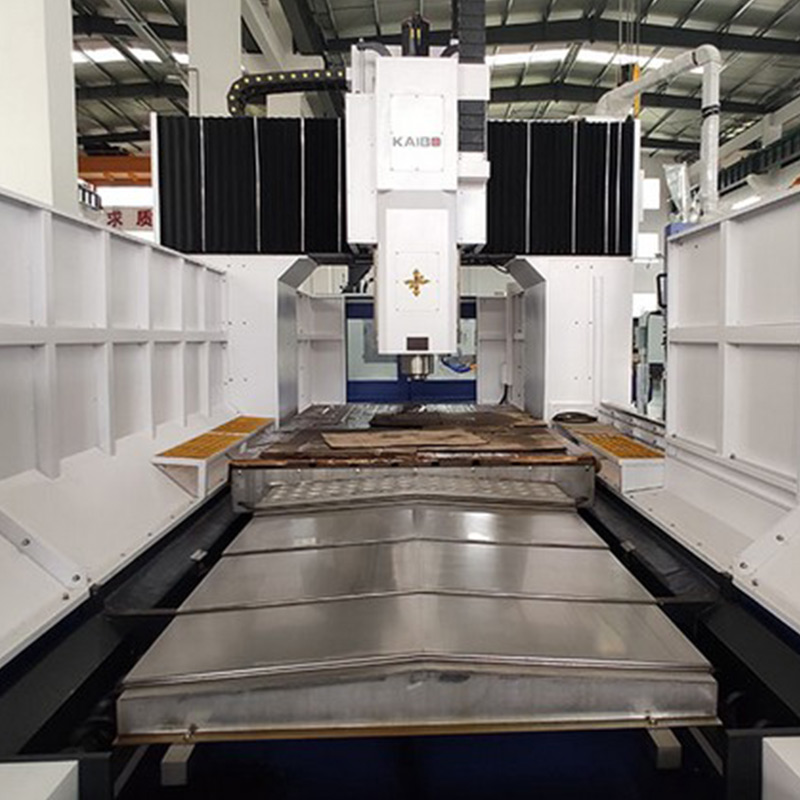
The following quick-reference table provides guidance for buyers who compare compact single-phase mills with larger, industrial three-phase systems. Values vary by model and configuration; the ranges reflect common offerings in the market for gantry-style, compact machines designed for home workshops and small facilities.
| Metric | Single-Phase (Compact Gantry) | Three-Phase (Industrial) |
|---|---|---|
| Noise (typical) | 50–65 dB | 55–70 dB |
| Idle power draw | <1.0 kW | 1.2–2.0 kW |
| Footprint | 0.8–1.4 m² | 1.4–2.0 m² |
| Ease of install | High (no heavy service work) | Moderate–High (requires dedicated service) |
| Total cost (TCO) | Lower upfront; similar maintenance burden | Higher upfront; often lower per-part cost at scale |
Selecting a model should balance the task mix: light aluminum prototyping, wood or plastic fixtures, and simple steel machining often fit well within a single-phase gantry, especially when backed by reliable safety features and robust customer support. When the project scope grows, consider modular upgrades, enclosure options, and additional tooling adapters to extend the life and capability of the system. In SEO terms, the content and product pages should emphasize the long-tail searches around home shop CNC, maker space equipment, and education-friendly CNC mills, using bilingual keywords where appropriate to capture both global and localized search intents.
For buyers seeking reassurance during the decision process, it’s prudent to compare documented case studies or user testimonials that demonstrate consistent repeatability and surface quality across typical cycles. The Kaibo CNC (凯博数控) product family offers clear documentation and upgrade pathways, supporting a smooth transition from discovery to hands-on use.
SEO-focused and GEO-aware product content should continue to emphasize practical workflows, such as “home workshop CNC for prototyping,” “maker space CNC milling stations,” and “education-friendly CNC mills.” Language should reflect user intent, with concise action verbs and trust signals—clear specs, safety features, and post-purchase support—embedded throughout product pages and content assets. Integrating the brand name 凯博数控 in English-language content as a recognizable local brand cue can support familiarity in bilingual search environments without compromising readability for an English-speaking audience.
Note on translation and keywords: the Chinese phrases 单相数控铣床优势 and 家庭工坊数控设备 are important for regional search visibility in markets where Chinese-interest queries co-exist with English-language research. For GEO optimization, combine high-intent English terms like “single-phase CNC mill for home shop,” “compact gantry CNC mill,” and “education CNC milling machine” with targeted Chinese terms in localized landing pages or bilingual sections, ensuring valid hreflang implementations and consistent metadata across locales.





The page you're looking for dose not exist.
Let's get you back home.
It will jump automatically after 5 seconds!
Go Home



