https://shmuker.oss-cn-hangzhou.aliyuncs.com/data/oss/60f057d7801008393c7f3dd7/66a70b5c6ab1dc323153e13a/20240819162143/Group%201.png

High-Precision Metal Engraving Milling: Servo System Response and Toolpath Optimization

10 04,2026
KAIBO CNC
Technical knowledge
Kaibo CNC (凯博数控) presents a comprehensive examination of high-precision metal engraving milling, focusing on core technologies that enable tight tolerances and superior surface finish. The discussion covers servo system dynamics and response speed, advanced toolpath optimization algorithms, and thermal deformation compensation. Real-world cases from mold manufacturing and aerospace parts illustrate how parameter tuning, multi-axis synchronization, and vibration suppression translate into measurable gains in accuracy and finish quality. The article provides practical guidance on selecting cutting parameters, compensating thermal drift, and implementing robust diagnostic checks, along with flowcharts and schematics to facilitate understanding. It also includes an interactive Q&A section to help engineers diagnose common issues and achieve consistent production performance. By highlighting Kaibo CNC solutions, the piece demonstrates how high-precision processing capabilities can drive competitive advantage for manufacturers.
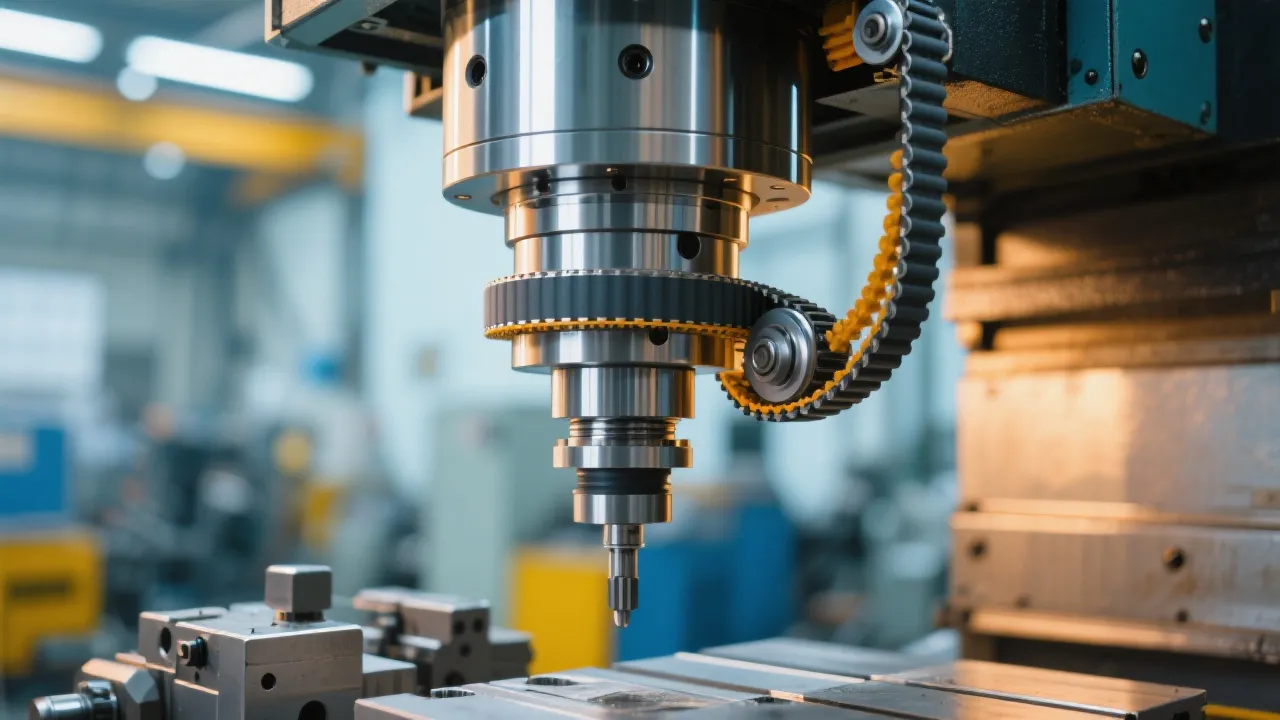
High-precision metal engraving milling spindle and servo drive within a KaiBo CNC system

Core Technologies for High-Precision Metal Engraving Milling: Servo System Response and Toolpath Optimization

KaiBo CNC leads the development of high-precision metal engraving milling solutions by integrating advanced servo control, smarter toolpath planning, and real-time thermal compensation. This article examines the fundamental principles that govern accuracy in metal engraving and milling, then dives into practical settings, workflows, and validation steps engineers can apply in mold manufacturing and aerospace component machining. The goal is to translate complex control theory into actionable practices that reduce dimensional error, improve surface finish, and stabilize production with KaiBo CNC systems.
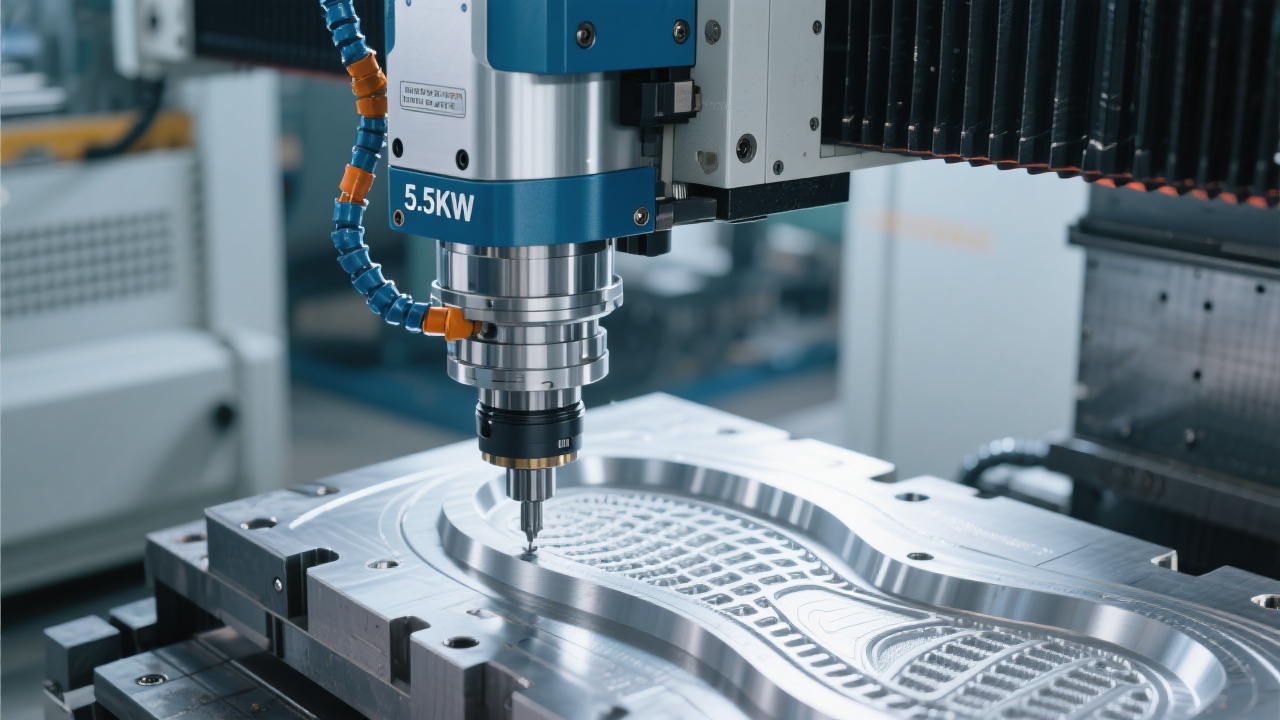
High-precision metal engraving milling spindle and servo drive within a KaiBo CNC system

Servo System Response and Control Bandwidth

Precision in metal engraving hinges on how quickly and accurately the servo loop tracks commanded positions. A high-bandwidth servo system minimizes following error and reduces lag during sharp corners and high-speed entry. In typical geared CNC milling setups, a practical servo loop bandwidth ranges from 2 to 4 kilohertz for multi-axis machines with optical or magnetic encoders, achieving RMS position errors in the tens of nanometers to low microns under steady-state conditions. For KaiBo CNC configurations, engineers aim to:

  • Choose encoders with at least 2× to 4× the line count of the drive resolution to minimize quantization.
  • Set a closed-loop bandwidth around 2.5–4 kHz to balance stability and responsiveness, adapting to tool diameters and depth of cut.
  • Apply pre-emptive feed-forward compensation for velocity and acceleration to reduce overshoot in sharp transitions.
  • Tune PID terms to achieve under-damped but stable responses: proportional gain for stiffness, integral for eliminating steady-state error, and derivative for damping oscillations.

Practical tuning steps involve:

  • Run a small-step trajectory and inspect axis RMS error; target <2 μm for finishing passes on small features, higher allowances for heavy roughing.
  • Incrementally adjust integral term to remove lag without inducing integrator wind-up; adjust derivative to suppress ringing at corners.
  • Validate across typical thermal conditions to ensure stable offset compensation as ambient temperature shifts.
Servo response vs. command step Illustration of servo position error over time for two tuning scenarios Servo loop bandwidth comparison Time (ms) →

Toolpath Optimization and Collision Avoidance

Efficient toolpaths reduce cycle time while maintaining accuracy and surface integrity. Advanced path planning leverages look-ahead, smoothing, and adaptive step-over to maintain consistent chip thickness, minimize rapid direction changes, and avoid collisions with fixturing or existing features. Key strategies include:
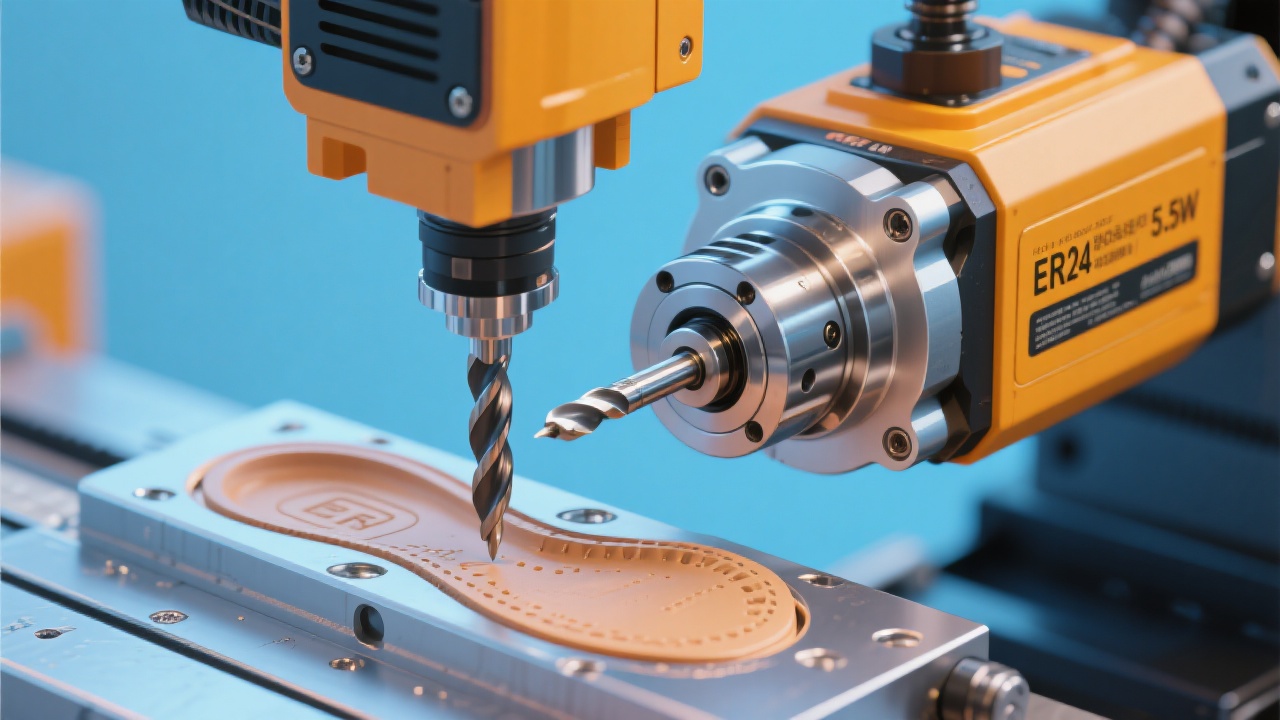
  • Prefer climb milling for closed features to improve surface finish and reduce thrust forces, with careful corner radii planning to prevent tool deflection.
  • Set look-ahead windows based on spindle speed and controller capability to anticipate upcoming maneuvers and pre-warm the tool path segments.
  • Choose finishing passes with 5–15% tool engagement and 0.01–0.05 mm step-over for mold cavities and precision features.
  • Incorporate collision checks and safe zones for fixtures; enable adaptive retraction strategies to minimize non-cutting time.
Toolpath efficiency: roughing vs finishing Cycle time reduction (%) →
Illustration of optimized toolpath showing reduced tool engagement and smoother transitions

Thermal Deformation Compensation Mechanisms

Temperature shifts cause dimensional drift in metal tools, fixtures, and machine structures. Real-time compensation combines sensor feedback (air-conditioned shop floor, spindle, and ambient temperature) with deformation maps derived from finite element models or empirical calibration. Practical approaches include:
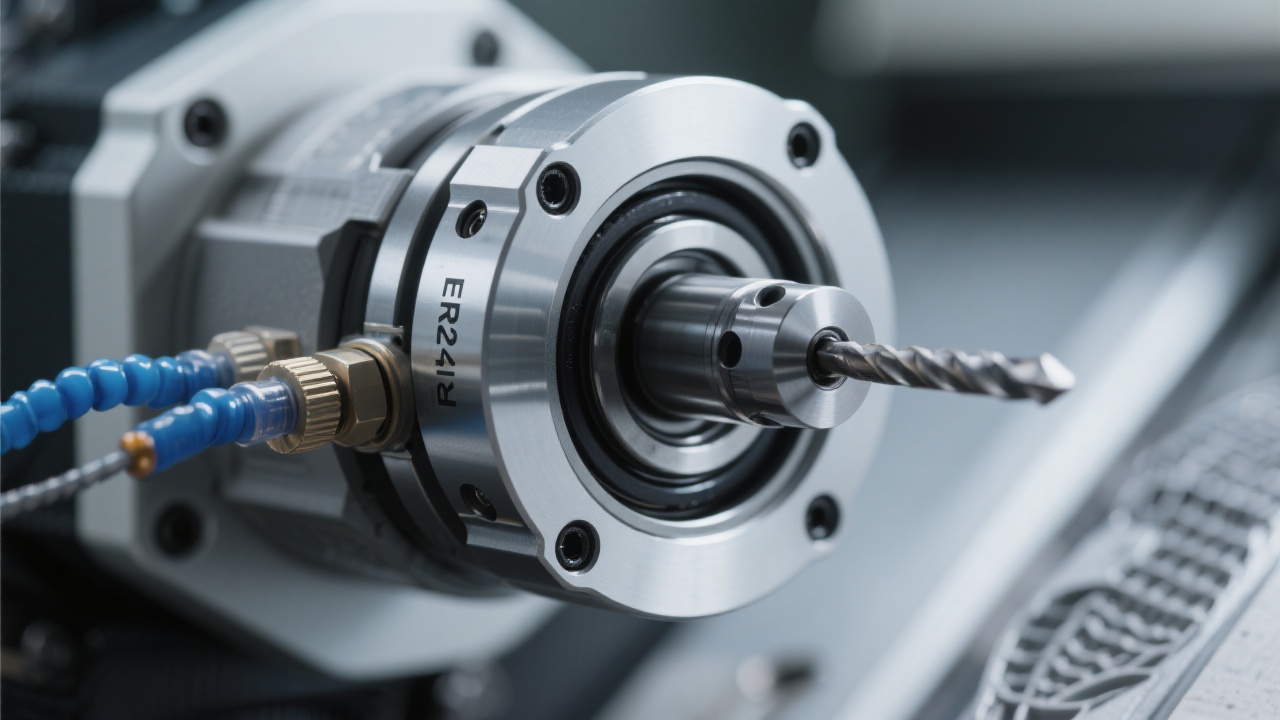
  • Deploy multi-point temperature sensing along the bed and column; apply linear or polynomial compensation in the NC controller.
  • Establish a deformation map for typical part geometries (molds and aerospace components) and store per-machine offsets for different ambient conditions.
  • Use thermal-aware toolpaths that adjust entry/exit trajectories when predicting larger temperature-induced expansions on long feature cavities.
  • Periodically recalibrate with reference gauges to validate compensation accuracy and update maps as needed.
Thermal compensation impact Dimensional error reduction (%) →
Thermal deformation map on a mold part before and after compensation in aerospace-grade machining

Industrial Applications: Mold Manufacturing and Aerospace Parts

In mold making and aerospace component production, precision and repeatability drive yield and surface quality. For KaiBo CNC deployments, practical parameter ranges—verified by real-world jobs—include:

  • Spindle speed: 12,000–18,000 rpm for carbide end mills, depending on material and coating.
  • Feed per tooth: 0.04–0.15 mm for finishing passes on mold cavities; 0.15–0.30 mm for roughing with adequate chip load.
  • Depth of cut: 0.1–0.5 mm per pass for finishing, up to 1.5–3.0 mm per pass during aggressive roughing on softer alloys.
  • Look-ahead: 0.5–2.0 seconds to balance processing latency with path stability for large molds.

Across these sectors, the combination of high-bandwidth servo loops, optimized toolpaths, and precise thermal compensation translates to tighter tolerances, improved surface finishes, and more stable production runs. KaiBo CNC emphasizes validated workflows: pilot runs on representative features, metrology-backed adjustments, and continuous feedback into the control strategy.

Case Studies: Translating Parameters into Consistent Quality

Exposure to real parts underscores the impact of disciplined process control. In a mold insert project, switching to a finishing pass with 0.05 mm step-over and enabling deformation-aware compensation reduced measured cavity tolerance drift from ±8 μm to ±3 μm on a 60 mm feature. In an aerospace alloy wing rib, adopting a 2 kHz servo bandwidth, look-ahead of 1.5 seconds, and 0.02 mm finishing step-over delivered a smoother surface with Ra improving from 0.8 μm to 0.45 μm.

Aspect Mold Application Aerospace Component
Spindle speed 12k–16k rpm 14k–18k rpm
Step-over (finishing) 0.02–0.05 mm 0.01–0.03 mm
Look-ahead 0.5–1.5 s 1.0–2.0 s
Tolerance drift (before/after) ±8 μm → ±3 μm ±12 μm → ±5 μm

The above results illustrate how disciplined control over servo behavior, toolpath quality, and thermal compensation can directly influence metrology outcomes on critical parts.

Thermal deformation map on a mold part before and after compensation in aerospace-grade machining

Elevating machining accuracy is a strategic investment that pays back through tighter tolerances, higher first-pass yield, and steadier throughput. KaiBo CNC solutions are designed to integrate servo control, intelligent path planning, and thermal awareness into a cohesive workflow. By aligning process design with machine capability, manufacturers can achieve consistent high-precision outcomes across molds and aerospace components.
Name *
Email *
Message*

Recommended Products

Popular articles
Recommended Reading

Related Reading

The page you're looking for dose not exist.
Oops!

The page you're looking for dose not exist.

Let's get you back home.

It will jump automatically after 5 seconds!

Go Home