In today’s competitive manufacturing landscape, precision isn’t just a feature—it’s a necessity. For small to mid-sized machine shops struggling with inconsistent part quality, even a 5–10% improvement in yield can mean the difference between profit and loss. But what if you could reliably increase your合格率 (part yield) by 30%?
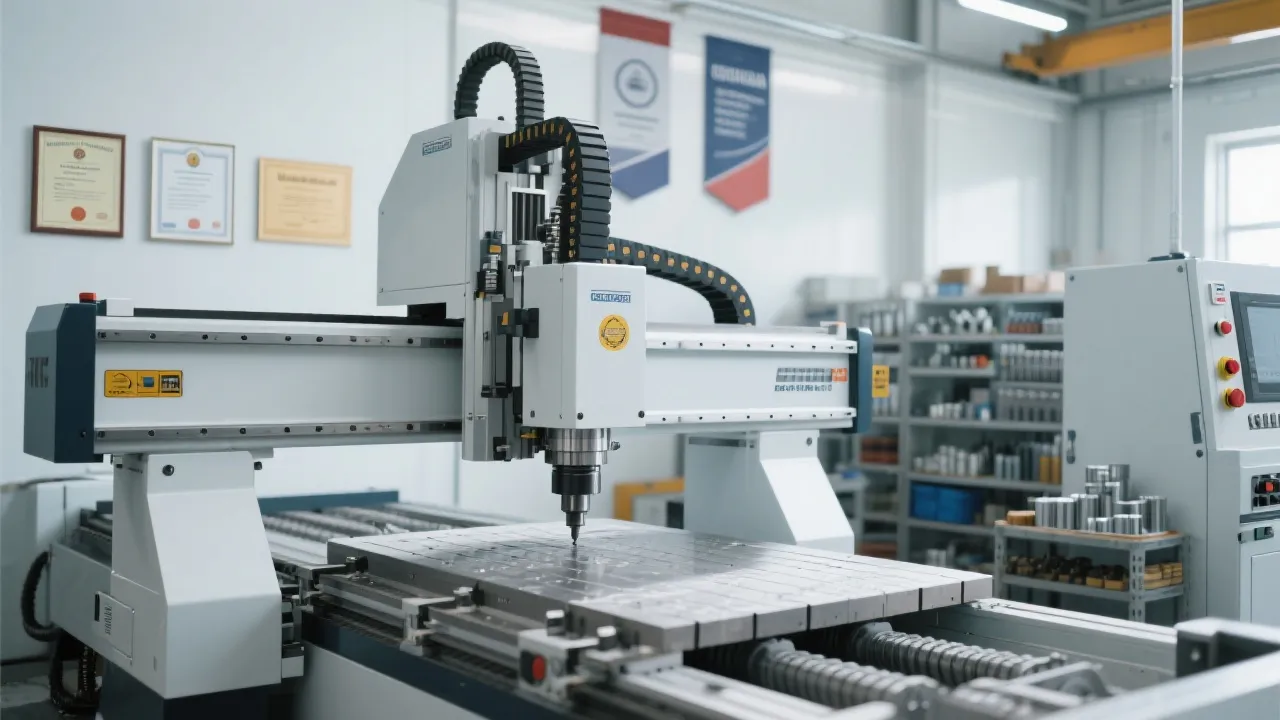
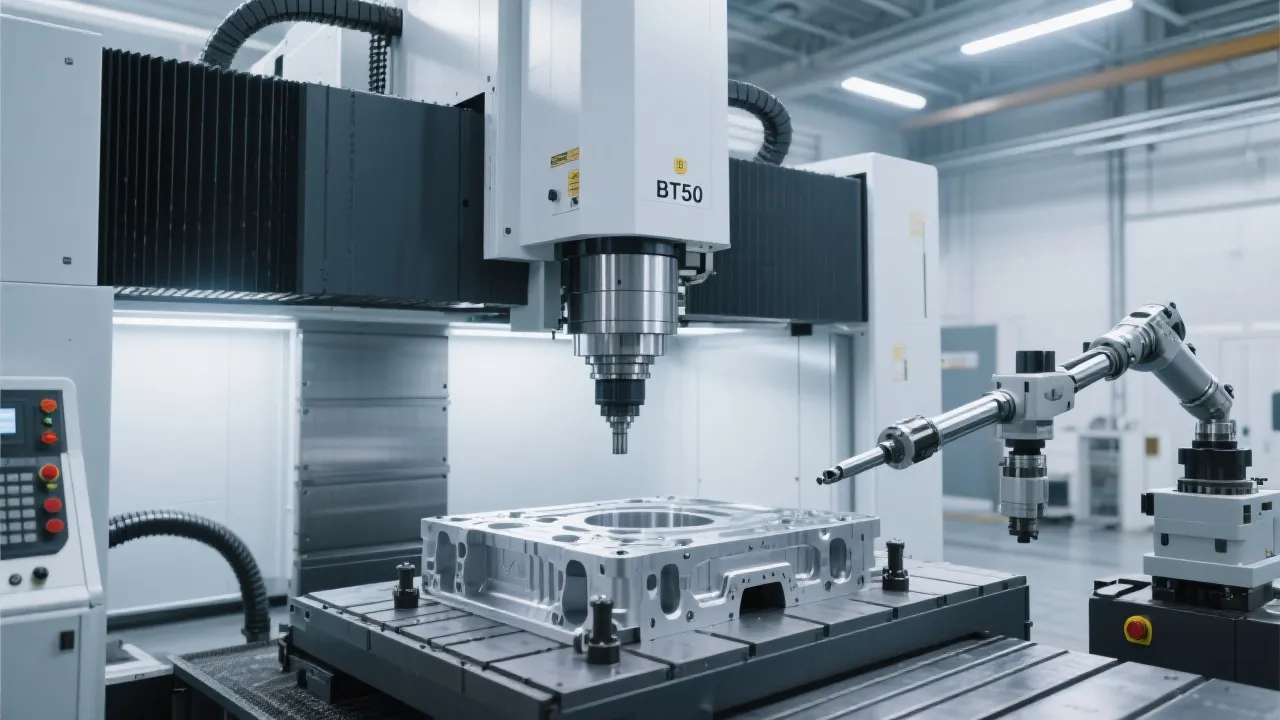
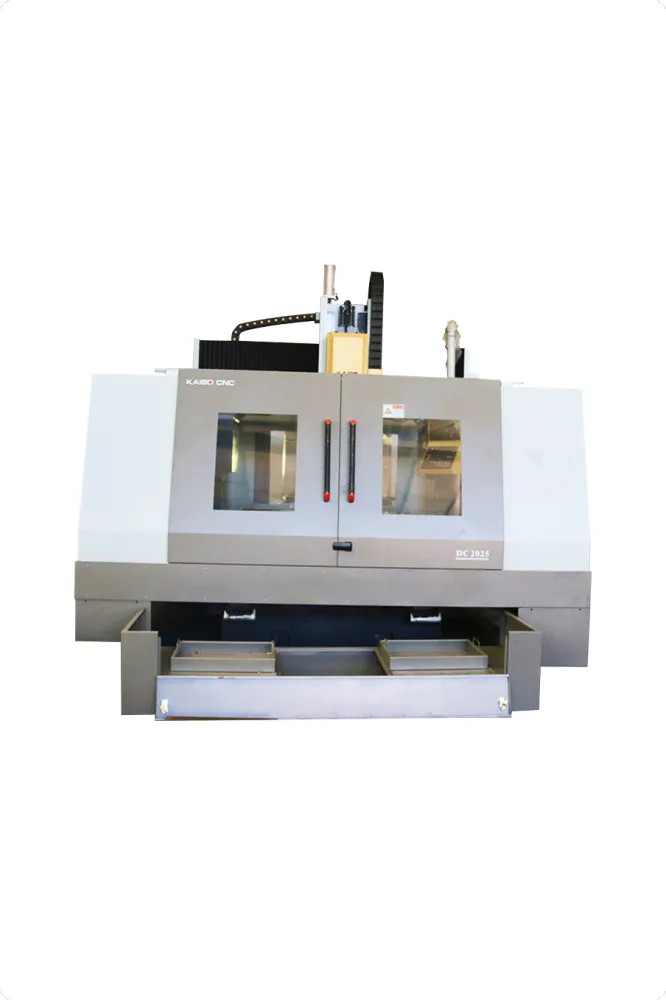
According to a 2023 report from the International Manufacturing Alliance, over 68% of global CNC users cite "inconsistent machining accuracy" as their top production challenge—especially among those using entry-level or outdated equipment. This is where the DC6040A, a compact single-phase vertical milling machine with an industrial-grade gantry structure, becomes not just an option but a strategic upgrade.
The key lies in its unique design: a rigid cast iron gantry frame combined with high-resolution linear guides and servo-driven axes. Unlike conventional column-type mills, the DC6040A minimizes deflection under load—a major source of dimensional error. Its built-in feedback system uses real-time sensor data to adjust tool paths dynamically, ensuring consistent tolerances down to ±0.02 mm across repeated operations.
For comparison, typical budget machines often drift beyond ±0.05 mm after extended use due to thermal expansion and mechanical wear. The DC6040A’s closed-loop control system reduces this variance significantly—even in environments without climate-controlled workshops.
We recently worked with a family-run workshop in Guangdong that produces custom metal brackets for automotive suppliers. Before adopting the DC6040A, they averaged only 72% first-pass yield on their most complex parts. After integrating the machine into their workflow—after a two-week training period—their yield jumped to 92% within one month.
“We were skeptical at first,” said Zhang Wei, the shop manager. “But after seeing how consistently it held tight tolerances without constant manual calibration, we knew this was different.”
This wasn’t just about fewer rejects—it also meant less scrap material, faster setup times, and improved customer satisfaction scores. One client reported a 40% reduction in rework requests, directly boosting their repeat order rate.
If you’re a manufacturer dealing with:
…then the DC6040A offers a proven path forward—not just in theory, but in actual shop-floor results.




The page you're looking for dose not exist.
Let's get you back home.
It will jump automatically after 5 seconds!
Go Home